
Zanzibar Snorkel Hideaways: Discover 7 Epic Underwater Gems

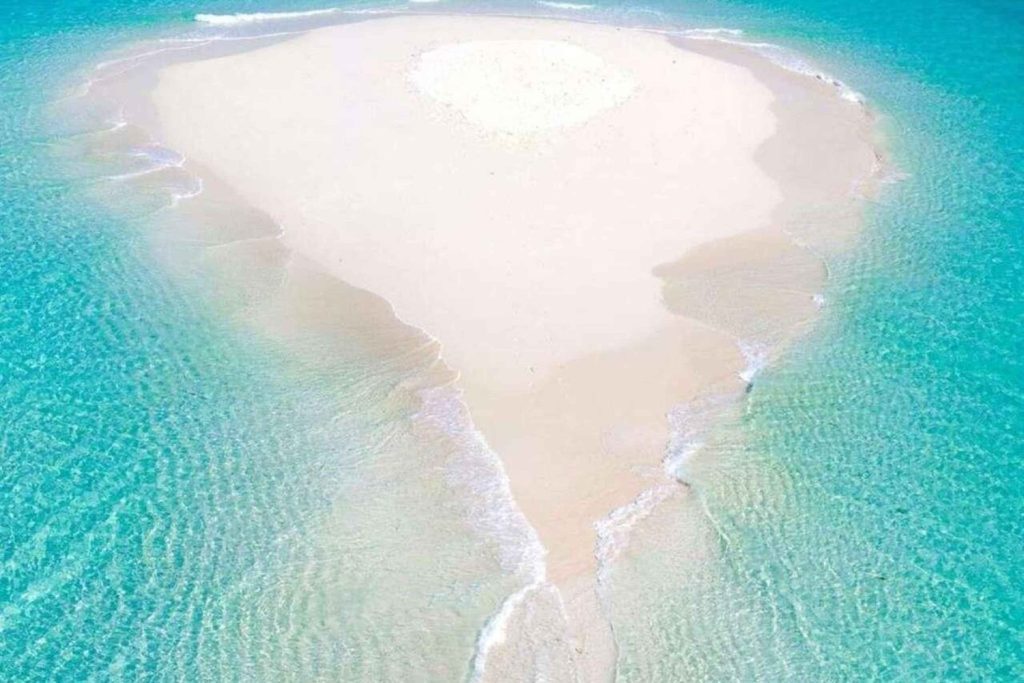
Table of Contents Zanzibar Snorkel Hideaways: Discover 7 Epic Underwater Gems If you’re searching for pristine coral reefs, vibrant marine life, and crystal-clear waters far from the usual crowds, Zanzibar snorkel hideaways are the ultimate escape. These hidden gems remain untouched by mass tourism, offering a truly authentic experience. These Zanzibar snorkel hideaways provide unforgettable underwater adventures for travelers who crave beauty, serenity, and biodiversity. Each site has its own unique charm—from colorful coral gardens to schools of shimmering fish. Whether you’re a seasoned snorkeler or just starting out, exploring Zanzibar snorkel hideaways guarantees world-class experiences. With fewer boats and less noise, you’ll enjoy a more peaceful and personal connection to the ocean. What makes Zanzibar snorkel hideaways so special is the sense of untouched serenity the moment you dive in. It’s like discovering your own private marine paradise. For anyone dreaming of unspoiled underwater beauty, Zanzibar snorkel hideaways are a must-visit on your next island adventure. Here are the top 7 Zanzibar snorkel hideaways you simply must explore: Arguably one of the most iconic Zanzibar snorkel hideaways, Mnemba Atoll truly deserves its reputation. Located off the northeast coast of Unguja, this marine conservation area is among the most breathtaking Zanzibar snorkel hideaways thanks to its pristine coral gardens and calm, crystal-clear waters. Sea turtles, reef sharks, and countless tropical fish make this one of the top Zanzibar snorkel hideaways for both beginners and experienced snorkelers. While it’s a popular destination, the real magic lies in the lesser-known spots. Ask a local guide to take you beyond the crowds to discover the hidden coral walls that define the best Zanzibar snorkel hideaways. For those seeking both beauty and biodiversity, Mnemba is a must on your list of Zanzibar snorkel hideaways. Why it’s a hideaway: Early morning trips avoid the day crowds, and private guides can take you to secret spots further offshore. A true gem off the beaten path, Tumbatu Island is located northwest of Nungwi. Known for its coral reefs and ghost-like forests beneath the sea, it offers some of the most untouched snorkeling in Zanzibar. Due to its spiritual significance and restricted access, not many tour operators visit—so when you do go, you’ll likely have the reef to yourself. Why it’s a hideaway: Protected by local tradition and limited tourism, Tumbatu’s reefs remain stunningly intact and biodiverse. Chumbe is more than a snorkeling destination—it’s an eco-sanctuary. Located just south of Stone Town, this marine reserve is a fully protected area, offering guided snorkel tours with expert marine biologists. The coral cover here is among the highest in East Africa, and over 500 species of fish thrive in these waters. Why it’s a hideaway: Visitor numbers are capped daily to protect the reef, making every trip exclusive, peaceful, and eco-conscious. Just a short boat ride from Stone Town lies Bawe Island, an underrated treasure. Its shallow, calm waters make it ideal for beginner snorkelers, while deeper areas offer colorful coral heads and large fish schools. With fewer boats and visitors compared to nearby Prison Island, Bawe gives you a personal slice of the Indian Ocean. Why it’s a hideaway: Proximity to town with none of the tourist rush; excellent choice for sunset snorkelers or quiet getaways. Famous for its dolphin pods, Kizimkazi also hides a beautiful reef system just off the coast. While dolphin tours get all the attention, the coral gardens nearby are teeming with life and largely overlooked. Snorkeling here is best early in the day when waters are calm and dolphins might swim near you. Why it’s a hideaway: Most visitors come for dolphins but skip the reef—you shouldn’t! While the beaches of Kendwa and Nungwi are popular, the snorkel sites just offshore remain underexplored. Local fishermen often guide trips to hidden coral bommies, where butterflyfish, angelfish, and moray eels thrive. The shallow drop-offs make it safe for kids and beginners too. Why it’s a hideaway: Easily accessed from shore but rarely crowded due to larger focus on beach tourism. Located on Zanzibar’s quiet eastern coast, the Blue Lagoon is a secret favorite of marine photographers and eco-travelers. Expect dramatic coral walls, swaying sea anemones, and pristine turquoise waters. The remoteness of Michamvi keeps this spot peaceful, especially on weekday mornings. Why it’s a hideaway: East coast isolation plus top-tier coral reefs make this a snorkeler’s dream. The best time to explore Zanzibar snorkel hideaways is during the dry season: June to October and December to February. These months bring clear skies, calm seas, and great underwater visibility. Ready to dive in? Plan your next aquatic adventure around these epic hideaways and experience the side of Zanzibar few ever see
Mountain Base Camping Tanzania: A True Wilderness Adventure
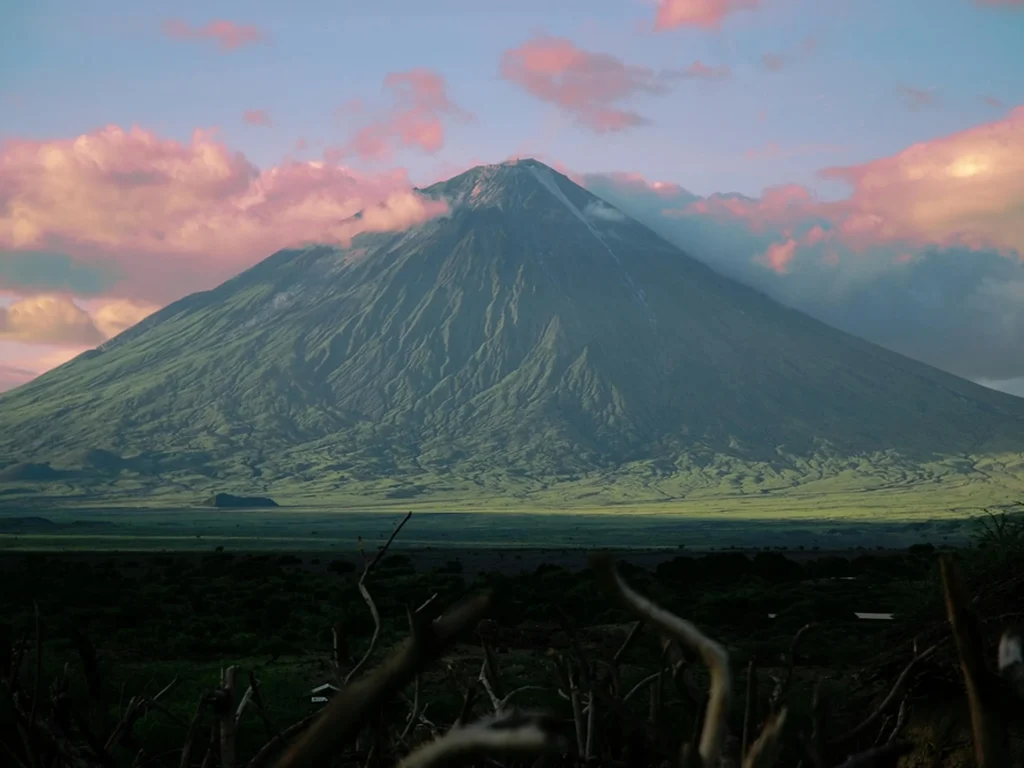
Table of Contents Mountain Base Camping Tanzania: A True Wilderness Adventure Tanzania is home to some of Africa’s most iconic natural landmarks, from snow-capped peaks to volcanic craters and vast highlands. For outdoor enthusiasts seeking an immersive experience, mountain base camping Tanzania offers the perfect blend of adventure, nature, and cultural discovery. It allows you to disconnect from modern distractions and fully embrace the raw beauty of the wilderness. Nestled beneath towering peaks and surrounded by untamed terrain, these camps serve as staging points for climbers, trekkers, and nature lovers alike. Whether you’re preparing to conquer Mount Kilimanjaro or exploring hidden volcanic trails, mountain base camping Tanzania is an unforgettable journey into the heart of East Africa’s highlands. What Is Mountain Base Camping? Mountain base camping Tanzania offers travelers a unique opportunity to connect with nature at the foot of majestic peaks. Unlike high-altitude climbs, these camps provide a more accessible way to enjoy the mountain environment without the physical demands of summiting. Popular spots for mountain base camping Tanzania include areas around Mount Kilimanjaro, Mount Meru, Ol Doinyo Lengai, and the Crater Highlands. These sites serve as excellent starting points for treks or as peaceful destinations on their own. Many of these camps are set within national parks and conservation zones, where visitors can enjoy panoramic views, crisp mountain air, and encounters with local wildlife. It’s the perfect setting for photography, stargazing, or simply unwinding in nature. Whether you’re prepping for a climb or just seeking solitude in the wild, mountain base camping Tanzania provides an unforgettable outdoor experience with the raw beauty of volcanic landscapes and scenic trails right outside your tent. Top Mountain Base Camping Destinations in Tanzania 1. Mount Kilimanjaro (Marangu and Machame Base Camps) Kilimanjaro, Africa’s tallest peak, offers a variety of base camping options depending on the route you take. 2. Mount Meru (Momella Gate Base Camp) Often overshadowed by its taller sibling, Mount Meru is a challenging but rewarding climb. Its base camp near Momella Gate is set in Arusha National Park and is surrounded by wildlife and dense forest. It offers an ideal location for acclimatization before a Kilimanjaro trek. 3. Ol Doinyo Lengai (Lake Natron Base Camp) Ol Doinyo Lengai, revered by the Maasai as the “Mountain of God,” is one of the most fascinating destinations for mountain base camping Tanzania has to offer. This active volcano towers over the Great Rift Valley and is a highlight for adventurous travelers. Mountain base camping Tanzania at Ol Doinyo Lengai typically happens near Lake Natron, a surreal, mineral-rich lake known for its pink flamingos and striking, otherworldly beauty. The campsite here offers breathtaking sunrises over the volcanic landscape. Staying at the base of this sacred mountain allows visitors to immerse themselves in Maasai culture. Many camps organize cultural visits, making mountain base camping Tanzania a rich experience that goes beyond just the scenery. The terrain surrounding Ol Doinyo Lengai is dramatic—perfect for photography, hiking, and connecting deeply with nature. For those looking to explore volcanic features up close, mountain base camping Tanzania around this site delivers unmatched opportunities. Whether you’re here for cultural insight, geological exploration, or peaceful solitude, Ol Doinyo Lengai is a must-visit on any mountain base camping Tanzania itinerary. 4. Ngorongoro Crater Highlands (Empakaai and Olmoti Base Camps) Ideal for off-the-beaten-path trekkers, the Crater Highlands present a unique blend of adventure and natural beauty. This region features multiple base camping spots, including the scenic Empakaai Crater and the lesser-visited Olmoti Crater. These areas provide access to hiking trails that wind through lush forests, open grasslands, and ancient volcanic calderas. Along the way, trekkers may encounter wildlife such as buffaloes, monkeys, and a variety of bird species. Culturally, the Crater Highlands are deeply significant to the local Maasai communities. Many guided treks include cultural encounters that enrich the experience beyond just the physical landscape. For those seeking an immersive wilderness experience, mountain base camping Tanzania in the Crater Highlands offers both solitude and soul-stirring views. What to Expect at a Mountain Base Camp Each mountain base camp varies in terms of amenities, altitude, and accessibility, but you can generally expect: Benefits of Mountain Base Camping Tanzania Gear Checklist for Base Camping Tips for a Successful Mountain Base Camping Experience 1. Hire a Local Guide or Porter They know the terrain, understand the culture, and contribute to local economies. 2. Respect Local Communities Many camping areas are near Maasai lands. Always ask before taking photos and respect traditions. 3. Leave No Trace Pack out all trash, use biodegradable soaps, and avoid disturbing wildlife. 4. Stay Hydrated Higher altitudes and dry air can dehydrate you faster. Drink plenty of purified water. 5. Watch the Weather Mountain weather in Tanzania can change quickly. Be prepared for rain and cold even in the dry season. Best Time for Mountain Base Camping in Tanzania The ideal times for mountain base camping in Tanzania are: Avoid the heavy rains of March to May and November, as trails can become muddy and visibility poor. Combining Mountain Base Camping with Other Adventures Mountain base camping can be part of a broader Tanzania itinerary that includes: Local Tour Operators Offering Base Camping Packages Mountain base camping Tanzania is more than a trek—it’s a full sensory immersion into wild, untamed Africa. From the smoky flanks of Ol Doinyo Lengai to the misty forests of Mount Meru, these landscapes speak to the soul of the adventurer. It’s a place where nature, culture, and challenge converge, offering transformative experiences for those bold enough to venture off the beaten track. If you’re planning a trip that blends nature, culture, and raw adventure, mountain base camping Tanzania should be at the top of your list.
Hot Springs & Wellness Escapes in Tanzania

Table of Contents Hot Springs & Wellness Escapes in Tanzania When most travelers think of Tanzania, images of the Serengeti plains and Mount Kilimanjaro often dominate the mind. But beyond its renowned wildlife and iconic peaks lies another hidden treasure: Tanzania hot spring retreats. Nestled in scenic landscapes and cultural heartlands, these geothermal gems offer a unique wellness escape far from the usual tourist paths. This guide takes you through the top places to rejuvenate your body and soul while enjoying the untamed beauty of Tanzania. Tanzania hot spring retreats offer a deeply immersive natural therapy experience. These locations combine mineral-rich waters, breathtaking scenery, and local wellness traditions. Perfect for both casual tourists and wellness seekers, hot springs in Tanzania provide opportunities for detoxification, relaxation, and cultural connection. Benefits include: Whether you’re recovering from a safari, climbing adventure, or just looking to unwind, Tanzania hot spring retreats will help you reset. Located between Arusha and Moshi, Kikuletwa is arguably the most famous of all Tanzania hot spring retreats. Surrounded by fig trees and natural pools with clear turquoise water, this spring is ideal for a day of swimming and lounging. Why it stands out: Despite its popularity, Kikuletwa retains its charm due to the lush greenery and local hospitality. For those venturing toward Lake Natron in northern Tanzania, Maji Moto is a remote yet soul-soothing geothermal pool that embodies tranquility. This lesser-known spot is one of the most authentic Tanzania hot spring retreats. Highlights: Combine it with a visit to Lake Natron for a complete nature escape. Often confused with Kikuletwa due to proximity, Rundugai is its own unique spring, located near the village of Rundugai. It is frequented by locals more than tourists and offers a quiet alternative among Tanzania hot spring retreats. Key Features: This retreat combines therapeutic relaxation with cultural enrichment. Deep in the southern highlands near Mbeya, Songwe Hot Springs offers one of the few geothermal sanctuaries in the southern part of Tanzania. It’s perfect for wellness travelers who want to go beyond the North. Experience Includes: A must-visit for those exploring Tanzania off the beaten path. Several eco-lodges and wellness-focused accommodations incorporate access to hot springs as part of their offering. These retreats usually feature: Notable mentions: Choosing these lodges allows for seamless integration of adventure and relaxation. Tanzania’s hot springs are available year-round, but the dry seasons from June to October and January to February provide optimal conditions. Plan accordingly for a smoother, more enjoyable experience. Many of these springs are located on or near lands owned by local communities. Respecting cultural norms and engaging with locals enriches the experience. Do’s and Don’ts: Responsible travel ensures that Tanzania hot spring retreats remain accessible and unspoiled for future generations. Here’s what to bring when visiting Tanzania hot spring retreats: Optional but helpful: Preparation enhances your comfort and lets you fully enjoy the experience. Tanzania hot spring retreats pair perfectly with other iconic adventures: Integrating wellness with exploration creates a more balanced and memorable trip. Wellness travel is more than a trend—it’s a movement toward healing, balance, and connection with nature. Tanzania hot spring retreats offer a soulful blend of adventure, culture, and relaxation. Whether you’re a solo traveler seeking solitude, a couple looking for romance, or a family needing a break from the hustle, these geothermal escapes will leave you recharged and inspired. Book your rejuvenating escape with Victoria Expeditions and explore the untapped wonders of Tanzania hot spring retreats today!
Zanzibar Introduction: Snorkelling Spots Beyond the Beach Resorts
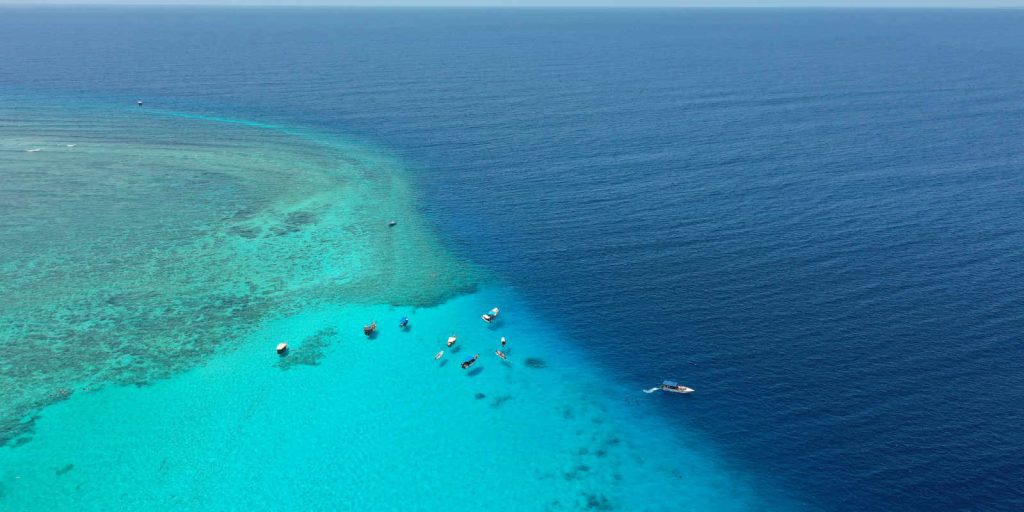
Table of Contents Zanzibar Introduction: Snorkelling Spots Beyond the Beach Resorts Zanzibar is renowned for its pristine white-sand beaches and turquoise waters, drawing in visitors from around the world. But for those looking to go deeper—literally and figuratively—Zanzibar offers a wealth of snorkelling experiences beyond the typical beach resort. This guide uncovers some of the most spectacular yet lesser-known snorkel sites across the archipelago, perfect for thrill-seeking adventurers and marine enthusiasts. Whether you’re a first-timer or a seasoned snorkeler, the following destinations will redefine your idea of Zanzibar underwater snorkelling. The Indian Ocean surrounding Zanzibar is home to coral gardens, marine reserves, and diverse marine life, making it a dream destination for underwater exploration. The island’s strategic location along the Swahili Coast gives it an incredibly rich ecosystem with great visibility and warm waters year-round. Here are some compelling reasons why Zanzibar underwater snorkelling should be on your bucket list: Just a short boat ride from the northeastern coast of Zanzibar lies Mnemba Atoll, arguably the crown jewel of the island’s snorkelling locations. Although the private island itself is off-limits to most visitors, the surrounding marine reserve offers some of the best Zanzibar underwater snorkelling. Expect to see: Mnemba is a must-visit for serious snorkelers and photographers. Go early in the morning to avoid crowds and enjoy pristine waters. Chumbe is an award-winning marine sanctuary located southwest of Zanzibar Town. It’s known for its impressive conservation efforts and incredible biodiversity. Why it stands out for Zanzibar underwater snorkelling: Only a limited number of guests are allowed per day, ensuring an uncrowded and peaceful snorkelling experience. Tumbatu is rarely mentioned in travel guides, but local experts know it’s one of the best-kept secrets for Zanzibar underwater snorkelling. Situated off the northwest coast, it is a culturally rich area with vibrant reefs. Highlights include: Note: Tumbatu is a conservative community; be respectful of local customs when visiting. Located just a few kilometers offshore from Stone Town, Bawe is perfect for a half-day snorkelling trip. The reef here is alive with color and activity. Reasons to love Zanzibar underwater snorkelling at Bawe: This is a great spot for families and beginner snorkelers. Kizimkazi, in the south of Zanzibar, is known for dolphin excursions. But few realize that it also has excellent snorkelling opportunities. What makes Kizimkazi ideal for Zanzibar underwater snorkelling: Book your snorkelling trip in the early morning for the best chance to see dolphins and avoid midday winds. While these northern beach towns are known for their vibrant nightlife and resorts, their nearby reefs are nothing short of spectacular. What to expect during Zanzibar underwater snorkelling in Kendwa and Nungwi: Though popular, it’s possible to find quieter pockets and have a serene snorkelling experience. Whether you’re new to snorkelling or an avid underwater explorer, safety and respect for nature are essential. Here are top tips: By following these tips, you contribute to the preservation of Zanzibar’s fragile marine ecosystems. Zanzibar’s snorkelling conditions are generally good year-round, but the best visibility is during the dry seasons: Avoid snorkelling during the long rains (March to May) when visibility can be reduced. Participating in sustainable snorkelling practices ensures that future generations can enjoy the same beauty. Many local operators partner with marine conservation initiatives, so choose tours that: Supporting eco-conscious guides and community-run programs promotes sustainable Zanzibar underwater snorkelling and helps protect the reef. Zanzibar is far more than just luxury resorts and beach loungers. Venture a little further, and you’ll find an underwater world of vibrant life, color, and mystery. Whether you’re seeking solitude, biodiversity, or adventure, these snorkelling spots will awaken your explorer’s spirit. Plan your next journey with Victoria Expeditions and let us help you uncover the magic of Zanzibar underwater snorkelling beyond the beach resorts. Dive in today—Zanzibar’s hidden underwater wonders await!
Family-Friendly Safari: What to Pack and Expect
Table of Contents Family-Friendly Safari: What to Pack and Expect Embarking on a wildlife adventure with your loved ones can be one of the most enriching and exciting vacations you’ll ever take. But planning a safari with children comes with unique considerations. This comprehensive guide provides Tanzania family safari tips to ensure a smooth, safe, and unforgettable experience for the entire family. From what to pack and how to prepare, to choosing family-friendly lodges and understanding safari etiquette, these Tanzania family safari tips will give you peace of mind before and during your journey. Tanzania is an ideal destination for families due to its rich biodiversity, friendly locals, and wide variety of kid-friendly accommodations. Whether it’s the awe-inspiring Serengeti, the fascinating Ngorongoro Crater, or the quieter parks like Tarangire, Tanzania offers something for every age. Tanzania family safari tips begin with understanding why this destination works well for multigenerational travel: Packing for a family safari requires some strategic planning. Here’s a list of essentials every family should consider: Clothing: Gear: Medical: This list ensures your Tanzania family safari tips start with a strong foundation in preparation. Understanding what your days will look like can help manage expectations for both kids and adults. Daily Safari Routine: Safari days are full of excitement but also long hours. One of the best Tanzania family safari tips is to pace your schedule and not overpack your itinerary. Some parks and reserves are better suited to families due to infrastructure, proximity to towns, and variety of wildlife. Here are some top options: 1. Serengeti National Park Perfect for older children and teens ready to witness the Great Migration. 2. Ngorongoro Crater Short drive times and high wildlife density make it ideal for younger children. 3. Lake Manyara National Park Easy to access and famous for tree-climbing lions and playful baboons. 4. Tarangire National Park Famous for elephants and baobab trees. Less crowded, ideal for families. 5. Arusha National Park Close to the airport and perfect for a quick safari fix with scenic landscapes. Including these in your Tanzania family safari tips ensures parents can pick destinations that match their family’s preferences. Choosing the right accommodation is critical. Look for lodges or camps that offer: Lodges that specialize in families understand the little things that make a huge difference. Your comfort, safety, and enjoyment are top priorities. One of the key Tanzania family safari tips is finding ways to keep children entertained during long drives or quiet moments. Ideas: Keeping kids mentally and physically engaged enhances the learning experience and family bonding. Following basic safari etiquette helps everyone—kids included—have a safe and respectful adventure. Top Tips: Teaching children about respect for nature and wildlife is an invaluable life lesson. It’s also one of the most important Tanzania family safari tips. Safety is a top priority on any safari. Here are health-related Tanzania family safari tips: Work with a reputable operator like Victoria Expeditions that understands family needs and local safety standards. Safaris are not just about wildlife. Tanzania’s rich cultures offer incredible opportunities for family learning. Experiences: These activities provide context to the landscape and teach kids the value of diversity and empathy—key themes in Tanzania family safari tips. Dry Season (June to October): Green Season (December to March): Choosing the right time based on your kids’ age, tolerance for heat, and school schedules is one of the most practical Tanzania family safari tips. Day 1: Arrival in Arusha, rest and orientationDay 2: Safari in Arusha National ParkDay 3: Drive to Tarangire, afternoon game driveDay 4: Full-day safari in TarangireDay 5: Transfer to Lake Manyara, cultural visit en routeDay 6: Game drive and picnic in Ngorongoro CraterDay 7: Return to Arusha, shopping and departure This itinerary balances adventure and rest, making it one of the most effective Tanzania family safari tips for young travelers. Family safaris can be life-changing experiences. With the right preparation, mindset, and these Tanzania family safari tips, your journey will be both safe and deeply rewarding. Let the expert team at Victoria Expeditions help you create lasting memories in the wild heart of Africa. Book your adventure today—Tanzania is waiting for your family!
Night under the Stars: Camping Expeditions near Kilimanjaro
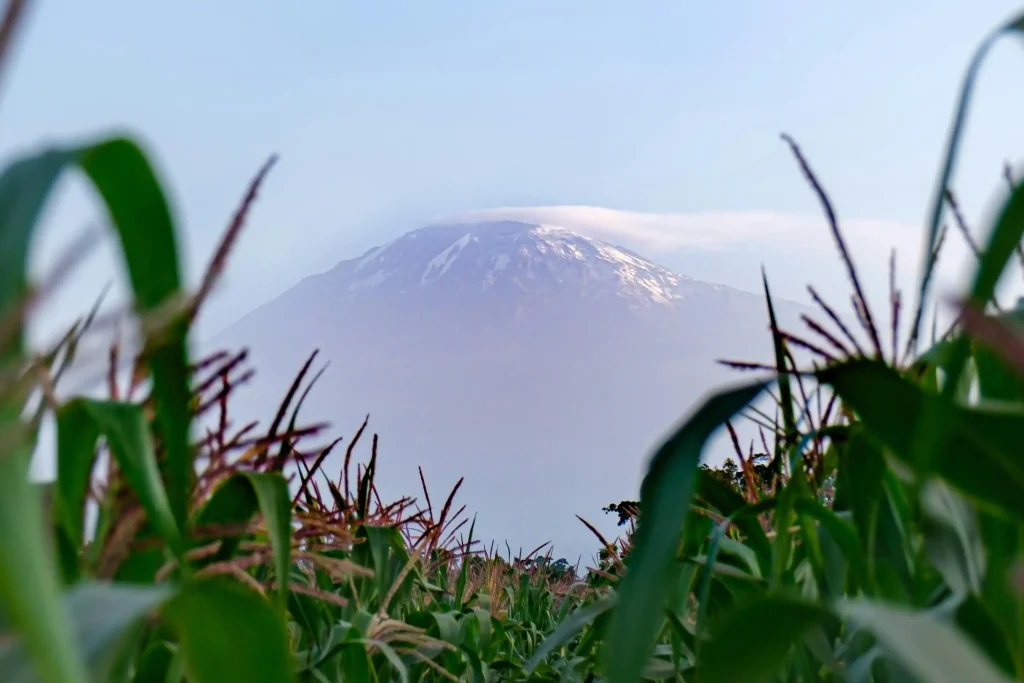
Table of Contents Night under the Stars: Camping Expeditions near Kilimanjaro If you’re seeking raw adventure and unmatched serenity, few experiences compare to mountain base camping in Tanzania. Nestled beneath the towering presence of Mount Kilimanjaro, these camping expeditions deliver both exhilarating treks and peaceful nights under glittering skies. In this comprehensive guide, we’ll walk you through what to expect, how to prepare, and why mountain base camping in Tanzania should be your next travel priority. There are countless ways to experience Tanzania, but mountain base camping in Tanzania is something truly special. Imagine waking up to the soft rustle of acacia trees, with the snow-capped peak of Kilimanjaro glowing at sunrise. These experiences blend safari-style outdoor living with high-altitude adventure, all in one unforgettable journey. 1. Machame Forest Camp Perfect for first-night campers starting their Kilimanjaro ascent. Surrounded by lush rainforest, this site sets the tone for classic mountain base camping in Tanzania. 2. Shira Plateau Campsite Offering panoramic views and open skies, Shira Plateau is ideal for photography and stargazing. This is mountain base camping in Tanzania at its most scenic. 3. Rongai 1st Cave Camp Known for its seclusion and tranquility, this less-frequented site offers a pure wilderness experience. 4. Simba Farm Lodge Campsite On the slopes of West Kilimanjaro, this private site combines cultural immersion with authentic mountain base camping in Tanzania. Combining trekking and mountain base camping in Tanzania allows you to experience the best of both worlds: adrenaline-filled days and peaceful nights. What to Expect: This seamless blend offers a deeper connection to both the mountain and the people who live around it. When preparing for mountain base camping in Tanzania, pack wisely: Many tour operators, including Victoria Expeditions, supply basic camping gear, but personal comfort items are always a plus. Safety is critical in any mountain base camping in Tanzania experience. Guides are trained in first aid, and porters help manage camp logistics. Oxygen levels and health checks are monitored daily on Kilimanjaro climbs. Tips: These guidelines ensure a safe and enjoyable adventure. Mountain base camping in Tanzania stands out for several reasons: This combination creates an experience that’s as enlightening as it is exciting. Thanks to high altitudes and minimal artificial light, stargazing is a major highlight of mountain base camping in Tanzania. Expect: It’s not just a trek—it’s a cosmic journey. Why stop with Kilimanjaro? Many travelers combine mountain base camping in Tanzania with: Victoria Expeditions offers custom packages that blend mountain trekking with classic safari experiences for a complete Tanzanian adventure. While on your mountain base camping in Tanzania journey, you’ll meet local porters, guides, and villagers. Share meals, stories, and learn traditional ways of living in harmony with the land. These interactions are often the most meaningful part of your trip, creating lifelong memories and mutual respect. Sustainable mountain base camping in Tanzania is vital. We practice: Traveling responsibly helps preserve these beautiful landscapes for generations to come. Mountain base camping in Tanzania is best during the dry seasons: Avoid April-May due to heavy rains, which make trails slippery and rivers hard to cross. Day 1: Arrival in Arusha, gear check, and briefingDay 2: Transfer to Machame Gate, trek to Forest CampDay 3: Trek to Shira Plateau, stargazing nightDay 4: Trek to Lava Tower, descend to Barranco CampDay 5: Return and optional Arusha town tour This is an ideal introduction to mountain base camping in Tanzania for adventurers short on time. We specialize in curated outdoor experiences including: Our passion for mountain base camping in Tanzania ensures your journey is personal, inspiring, and safe. In the end, mountain base camping in Tanzania is more than a travel choice. It’s a chance to step away from the noise of modern life and into a world where silence, stars, and summits reign supreme. Whether you’re chasing summits or simply seeking space to breathe, a night under Kilimanjaro’s sky is one you’ll never forget. Join Victoria Expeditions for a personalized mountain base camping in Tanzania experience. Explore the wild, meet the stars, and find your summit.
Cultural Immersion: Visiting Maasai Villages Responsibly
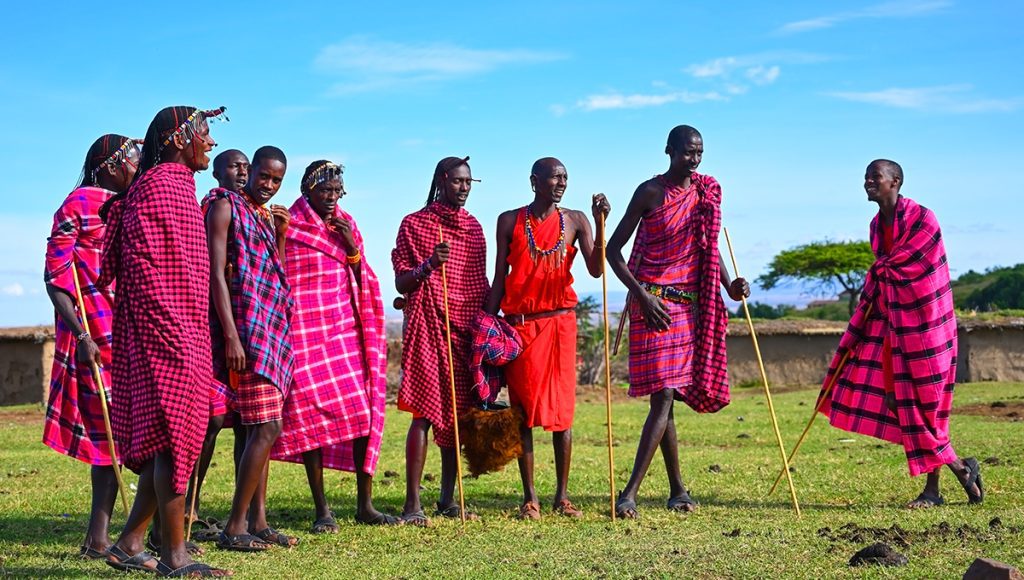
Table of Contents Cultural Immersion: Visiting Maasai Villages Responsibly Travel is more than just seeing new places—it’s about understanding different ways of life. For those who seek deeper connections, Maasai cultural tourism offers a rare opportunity to engage with one of East Africa’s most iconic communities. But with such privilege comes responsibility. In this guide, you’ll learn how to explore Maasai cultural tourism ethically, ensuring your visit benefits the local community and enriches your travel experience. The Maasai are a semi-nomadic ethnic group predominantly found in southern Kenya and northern Tanzania. Known for their vibrant red clothing, intricate beadwork, and warrior traditions, the Maasai are deeply connected to their cattle, land, and customs. Their rich culture has made them a focal point for travelers interested in Maasai cultural tourism, but it has also made them vulnerable to exploitation. Responsible travel means honoring their heritage and economic autonomy. By embracing Maasai cultural tourism, you’re not only gaining knowledge but also contributing to the community’s well-being. To engage in Maasai cultural tourism responsibly, careful planning is essential. Here are key steps to follow: 1. Choose Ethical Operators Always book through tour companies that partner directly with Maasai villages. Ethical operators ensure that fees go directly to the community, not just intermediaries. At Victoria Expeditions, we design all our Maasai cultural tourism experiences in collaboration with community leaders. 2. Understand the Cultural Context Learn about Maasai history, customs, and beliefs before your visit. This not only shows respect but also helps you ask informed questions and avoid offensive behavior. 3. Ask for Consent Whether it’s taking photos or entering a home, always ask first. In Maasai cultural tourism, consent and dignity should be at the forefront. A typical Maasai cultural tourism experience may include: These immersive experiences foster a genuine connection and greater appreciation for the Maasai way of life. Do: Don’t: Respect and humility go a long way in Maasai cultural tourism. When done ethically, Maasai cultural tourism provides: Your participation in Maasai cultural tourism can help fund projects that uplift entire villages. Support local artisans by purchasing: These items are not just beautiful—they carry cultural meaning and economic impact. Buying directly from the creators ensures fair compensation and promotes ethical Maasai cultural tourism. We believe in travel that transforms both guest and host. Our Maasai cultural tourism programs are built on partnerships, not transactions. Here’s what sets us apart: With us, you don’t just visit a village—you become part of a story that empowers its people. Looking for more ways to immerse yourself in East African culture? Consider: Cultural immersion goes beyond one village. A broader understanding enhances your Maasai cultural tourism experience. In a world where tourism can either exploit or uplift, you have the power to choose wisely. Responsible Maasai cultural tourism is about reciprocity—learning while giving, seeing while respecting. By planning thoughtfully and partnering with ethical operators like Victoria Expeditions, you make a difference. You don’t just witness culture; you help preserve it. So go ahead. Embrace the songs, the stories, and the smiles. But most importantly, leave behind more than footprints—leave behind hope. Join Victoria Expeditions on a transformative Maasai cultural tourism experience. Contact us today to start your journey.
How to Plan the Ultimate Photography Safari in Serengeti

Table of Contents Capture the Wild Heart of Africa The Serengeti. Just the word alone conjures images of thundering wildebeest herds, golden savannahs, and dramatic predator-prey encounters. But for photographers—whether amateur or professional—the Serengeti offers something more: an unmatched canvas of raw, untamed beauty. A well-planned wildlife photography safari here can be the adventure and creative achievement of a lifetime. In this comprehensive guide, we’ll walk you through how to plan the perfect Serengeti wildlife photography safari—from timing and technical tips to choosing the right guide and gear. Whether you’re building your portfolio or simply chasing magical moments, this guide is for you. The Serengeti National Park is a UNESCO World Heritage Site and home to over 2 million wildebeest, 500 bird species, and all members of the Big Five. Every sunrise offers a unique spectacle—and every safari presents rare photographic moments. From dramatic chases during the Great Migration to intimate scenes like a lioness grooming her cubs, the Serengeti delivers powerful subjects for your wildlife photography safari. Timing your trip is critical for capturing the best shots. Each season offers distinct advantages: January–March (Calving Season): Photograph baby animals, predator activity, and lush green backdrops. June–August (Dry Season): Perfect for big game sightings and clear light conditions. September–November (Shoulder Season): Fewer crowds, good lighting, and excellent bird photography. October–December (Short Rains): Dramatic skies, great for landscape and moody wildlife images. For most wildlife photography safari enthusiasts, June to October is ideal for action-packed shots due to limited vegetation and animal concentrations around waterholes. Packing the right photography gear is essential. Here’s what you’ll need: Camera Bodies: Lenses: Accessories: Whether you shoot Nikon, Canon, Sony, or Fujifilm, the emphasis is less on brand and more on versatility and preparation during your wildlife photography safari. For a photography-specific safari, your operator must understand photographers’ needs. Look for: At Victoria Expeditions, we offer wildlife photography safari packages led by expert naturalists and guides who are trained to assist photographers—from amateurs to National Geographic-level professionals. Central Serengeti (Seronera Valley): Year-round wildlife; excellent lion and leopard photography. Northern Serengeti (Kogatende/Lamai): Best from July to October for dramatic wildebeest river crossings. Western Corridor (Grumeti River): Amazing crocodile ambush shots and lush forest scenes in May–July. Southern Serengeti (Ndutu Region): Prime location for calving season photography from December to March. Each region offers a unique backdrop and different wildlife concentrations—so mix locations for a diverse wildlife photography safari portfolio. 1. Know Your Subject Spend time observing behavior. Anticipation leads to better timing. 2. Light is Everything Shoot during golden hours: sunrise and sunset. Avoid harsh midday sun. 3. Compose with Purpose Use the rule of thirds. Leave space for subjects to move within the frame. 4. Be Patient Wait for the shot. Let the scene develop naturally. 5. Shoot in RAW Gives you more flexibility during post-processing. A good wildlife photography safari is 50% patience, 50% preparation. Respect the wildlife, and it will reward you with unforgettable frames. Photography should always promote awareness, not exploitation. Your wildlife photography safari images can contribute to conservation and education. Add-On Activities: Post-Safari Tip: Back up your images daily—cloud, SD card, and portable drive if possible. You don’t want to lose that once-in-a-lifetime lion cub shot! Day 1: Arrival in ArushaDay 2–3: Central Serengeti – Lion pride & leopard photographyDay 4–5: Northern Serengeti – River crossingsDay 6: Hot air balloon safari & golden-hour shootDay 7: Return flight or transfer to Zanzibar All guided with a photography-savvy driver-guide and custom vehicle. We specialize in tailor-made wildlife photography safari experiences designed to meet your technical and creative goals. From carefully selected lodges to camera-conscious guides, every element of your journey is optimized for capturing world-class wildlife images. Private photography vehicles Expert guides with positioning skills Custom itineraries for migration, birding, and big cats Local knowledge for secret hotspots and light angles A wildlife photography safari in the Serengeti is more than a trip—it’s a visual story of Earth’s most iconic wilderness. Whether it’s a lion in mid-yawn, a wildebeest crossing the river in panic, or the gentle eyes of a giraffe in morning light—your camera becomes a powerful voice for conservation, wonder, and memory. Don’t just take photos. Tell stories. Let Victoria Expeditions take you there. Ready to capture Africa’s greatest stage?Book your custom wildlife photography safari with Victoria Expeditions today.
Top 5 Hidden Waterfalls in Northern Tanzania: The Ultimate Hiking Guide
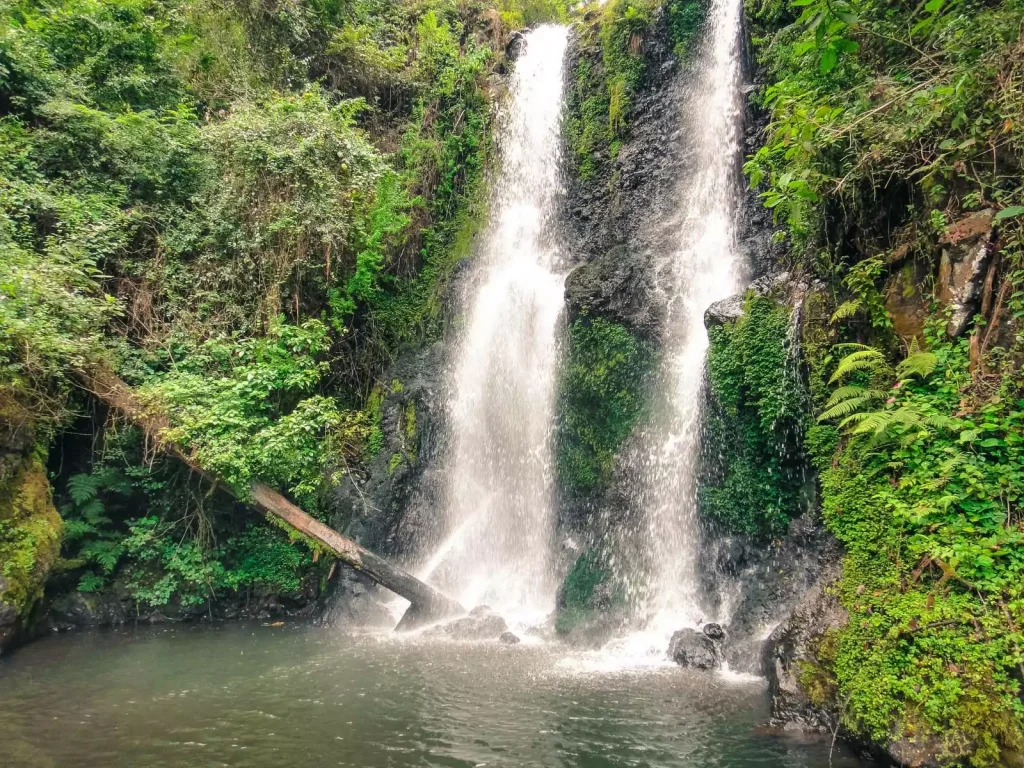
Table of Contents Hidden Waterfalls of Northern Tanzania: A Local’s Guide Northern Tanzania is widely celebrated for its iconic attractions like the Serengeti, Ngorongoro Crater, and Mount Kilimanjaro. But beyond these popular destinations lies a quieter, lusher world brimming with hidden waterfalls. These stunning natural features are not only beautiful, but they also offer immersive hiking experiences, cultural encounters, and serene retreats away from the typical tourist path. In this comprehensive guide, we unveil the best Tanzania waterfall hikes in the northern region—perfect for eco-tourists, photographers, hikers, and anyone longing for an off-the-grid adventure. Tanzania’s northern circuit is home to varied landscapes that stretch from misty mountains and rainforests to volcanic craters and river valleys. These terrains are perfect for forming hidden waterfalls, many of which remain largely untouched and undiscovered by mass tourism. Exploring Tanzania waterfall hikes provides more than just stunning visuals—it’s a journey into local cultures, flora and fauna, and pristine ecosystems. Here are a few reasons to add these hikes to your travel itinerary: Let’s dive into the most spectacular and rewarding Tanzania waterfall hikes that Northern Tanzania has to offer. Located near the foothills of Mount Kilimanjaro, Materuni Waterfall is among the most accessible and breathtaking destinations for a day hike. Standing over 80 meters tall, the waterfall cascades down into a clear, cold basin that invites hikers to take a refreshing dip. Highlights: This is one of the most popular Tanzania waterfall hikes, ideal for beginners and families. It’s a balanced mix of natural beauty, cultural heritage, and mild physical challenge. Also in the Marangu area near Mount Kilimanjaro, Kinukamori Waterfall is steeped in Chagga folklore. The short but scenic trail winds through verdant rainforest where you can spot birds and monkeys before reaching the falls. Why it stands out: Although it’s a brief hike, Kinukamori offers a rewarding experience with insights into Chagga legends and the spiritual significance of waterfalls in their traditions. It’s one of the lesser-known Tanzania waterfall hikes that still delivers memorable impact. Ndoro Waterfall is a hidden treasure that requires a bit more effort to reach, making it ideal for adventurers. The hike is slightly more demanding but rewards you with a powerful cascade surrounded by jungle-like vegetation. Why hike Ndoro? If you’re building a bucket list of Tanzania waterfall hikes that give you the sense of finding a secret world, Ndoro should be on it. Deep in the heart of the Usambara Mountains, Kisasa Waterfall is a true hidden gem. The area is known for its incredible biodiversity and cool, misty climate. What to expect: Kisasa is not just a waterfall—it’s a full trekking experience. It’s one of the most underrated Tanzania waterfall hikes that adventurous travelers should consider. Napuru is surprisingly close to Arusha yet relatively unknown to tourists. The trail to Napuru leads through quiet foothills and lush farmland, offering scenic views of Mount Meru along the way. Trail features: Napuru is one of the most convenient Tanzania waterfall hikes for those based in or passing through Arusha. For most of the year, Northern Tanzania enjoys a mild to warm climate. However, the best time for Tanzania waterfall hikes is during or shortly after the rainy seasons: During these months, waterfalls are in full flow and the landscapes are lush and green. However, trails can be slippery, so waterproof hiking boots and proper gear are essential. Proper preparation will ensure your Tanzania waterfall hikes are both safe and enjoyable. Many of these hikes pass through or near local villages. It’s important to: Respectful behavior enriches your hiking experience and strengthens community-based tourism. One of the best ways to maximize your time in Northern Tanzania is to blend Tanzania waterfall hikes with other activities. Some ideas include: Your trip becomes more diverse, immersive, and rewarding. Victoria Expeditions follows sustainable principles on all Tanzania waterfall hikes, ensuring minimal impact on local ecosystems. With years of experience and deep local connections, Victoria Expeditions offers expertly guided Tanzania waterfall hikes tailored to your fitness level, interests, and travel style. What sets us apart: Whether you’re a solo traveler, couple, family, or group, we craft meaningful nature experiences that go beyond sightseeing. Tanzania is more than just big game safaris and volcanic peaks. Its waterfalls represent an untouched side of the country that few get to explore. With diverse trails, rich culture, and rejuvenating natural beauty, Tanzania waterfall hikes are an experience every adventurous traveler should seek. Ready to explore the secret side of Tanzania?
Sustainable Tourism: How to Travel Responsibly in Tanzania
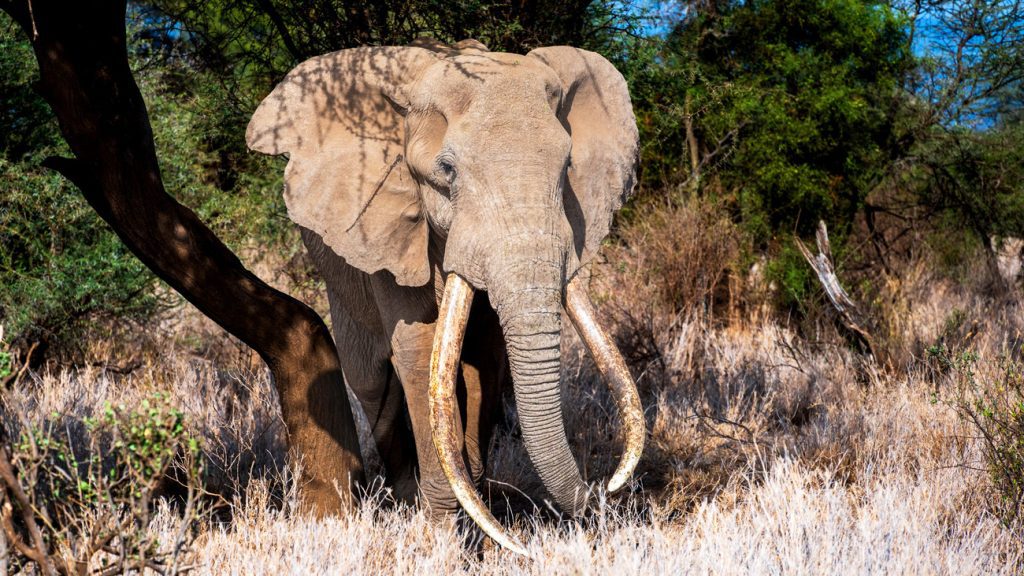
Table of Contents Sustainable Tourism: How to Travel Responsibly in Tanzania Tanzania is a land of unparalleled beauty, home to some of the world’s most iconic wildlife, stunning landscapes, and vibrant cultures. From the majestic peaks of Mount Kilimanjaro to the vast plains of the Serengeti, this East African gem offers travelers unforgettable experiences. However, as tourism continues to grow, it becomes increasingly important to adopt sustainable tourism practices that preserve these precious resources for future generations. In this guide, we’ll explore the importance of traveling responsibly in Tanzania, highlighting key actions you can take to minimize your environmental impact, support local communities, and choose tour operators committed to conservation. We’ll also showcase how Victoria Expeditions leads the way in promoting sustainable tourism initiatives across the country. Why Sustainable Tourism Matters in Tanzania Tanzania’s rich biodiversity and cultural heritage make it one of the top destinations for adventure seekers and nature lovers worldwide. However, with increased tourism comes the risk of overexploitation of natural resources, disruption of ecosystems, and marginalization of local communities. By embracing sustainable tourism , travelers can ensure their visits leave a positive legacy rather than causing harm. Key Benefits of Sustainable Tourism: Environmental Protection : Reduces pollution, conserves wildlife habitats, and promotes eco-friendly practices. Community Empowerment : Supports local economies through fair wages, job creation, and investment in community projects. Cultural Preservation : Encourages respect for traditions, languages, and customs while fostering cross-cultural understanding. By prioritizing sustainable tourism , visitors contribute to preserving Tanzania’s unique attractions and ensuring they remain accessible for years to come. Eco-Friendly Practices for Responsible Travelers Adopting eco-conscious habits during your trip is an essential step toward becoming a responsible traveler. Here are some practical tips: 1. Minimize Waste Carry reusable water bottles, bags, and cutlery to reduce single-use plastics. Dispose of trash properly and avoid leaving litter behind when exploring national parks or beaches. 2. Conserve Resources Limit water usage, turn off lights when not in use, and opt for accommodations that prioritize sustainability. For example, many lodges in Tanzania now rely on solar power and rainwater harvesting systems. 3. Respect Wildlife Maintain a safe distance from animals during game drives, never feed wildlife, and follow park regulations. Learn about organizations working to protect endangered species, such as The Wildlife Conservation Society . 4. Choose Low-Impact Activities Select activities that have minimal environmental impact, such as walking safaris, birdwatching, or visiting conservation-focused projects. Avoid activities that exploit animals, like elephant rides or lion cub petting. Supporting Local Communities Through Sustainable Tourism One of the cornerstones of sustainable tourism is empowering local communities. When you travel responsibly, you help create economic opportunities and foster mutual respect between visitors and residents. Ways to Support Local Communities: Buy Local Products : Purchase crafts, souvenirs, and produce directly from artisans and farmers. This ensures your money stays within the community. Eat at Locally-Owned Restaurants : Enjoy authentic cuisine while boosting small businesses. Visit Community-Based Projects : Participate in programs that benefit locals, such as school visits, health clinics, or reforestation efforts. For instance, Victoria Expeditions partners with Maasai villages to offer guided tours that provide income for families and promote cultural exchange. By booking with responsible operators, you directly contribute to community development. Choosing Tour Operators Committed to Conservation Selecting the right tour operator is critical for practicing sustainable tourism . Reputable companies adhere to environmentally friendly policies, respect wildlife, and invest in conservation initiatives. At Victoria Expeditions, we pride ourselves on being leaders in sustainable travel. Our Commitment to Sustainability: Eco-Friendly Operations : All our vehicles are regularly maintained to reduce emissions, and we encourage clients to offset carbon footprints through tree planting programs. Conservation Partnerships : We collaborate with organizations like the African Wildlife Foundation to protect endangered species and restore degraded habitats. Community Engagement : A portion of our profits goes toward funding education, healthcare, and infrastructure improvements in rural areas. When planning your trip, research potential operators thoroughly. Look for certifications like Green Globe or Rainforest Alliance, which indicate adherence to global sustainability standards. Case Study: Victoria Expeditions’ Role in Sustainable Tourism Victoria Expeditions has long been at the forefront of promoting sustainable tourism in Tanzania. Through innovative programs and partnerships, we aim to inspire both travelers and industry peers to adopt greener practices. Examples of Our Initiatives: Waste Management Campaigns : Educating guests about reducing plastic waste and recycling during trips. Water Conservation Efforts : Installing water-saving technologies in all camps and lodges. Empowering Women : Supporting female entrepreneurs in local communities through mentorship and financial assistance. Our commitment extends beyond mere words; it’s embedded in every aspect of our operations. By choosing Victoria Expeditions, you become part of a movement dedicated to protecting Tanzania’s natural and cultural treasures. Tips for Practicing Sustainable Tourism in Tanzania To wrap up your journey toward responsible travel, here are additional tips to keep in mind: Plan Ahead : Research destinations, accommodations, and activities that align with your values. Travel Off-Peak : Visiting during low-season reduces strain on popular sites and spreads economic benefits more evenly. Engage With Locals : Show genuine interest in their lives and traditions, but always ask permission before taking photos. Stay Informed : Follow updates from reputable sources about conservation challenges facing Tanzania and how you can help. Conclusion Sustainable tourism is not just a trend—it’s a necessity for safeguarding the places we love. By adopting eco-friendly practices, supporting local communities, and partnering with responsible tour operators like Victoria Expeditions, you can make a meaningful difference during your travels in Tanzania. Let us work together to preserve the country’s breathtaking landscapes, diverse wildlife, and rich cultural heritage for generations to come. Start planning your sustainable adventure today and join the growing movement of conscious travelers making a positive impact around the globe!