
From Bush to Beach: Combining Safaris with Zanzibar’s Pristine Shores

Table of Contents From Bush to Beach: Combining Safaris with Zanzibar’s Pristine Shores Tanzania offers a unique blend of adventures that cater to every traveler’s dream—wildlife safaris in its iconic national parks followed by serene relaxation on the sun-kissed shores of Zanzibar. This From Bush to Beach experience allows you to witness Africa’s untamed beauty and then unwind amidst crystal-clear waters and powdery white sands. In this guide, we’ll explore From Bush to Beach itinerary ideas that seamlessly combine the excitement of safaris with the tranquility of Zanzibar, ensuring a well-rounded and unforgettable journey. The From Bush to Beach concept is designed for travelers who seek both adventure and relaxation, providing a perfect balance between exploring Tanzania’s rich wildlife and enjoying the idyllic beaches of Zanzibar. Whether you’re spotting lions in the Serengeti or sipping cocktails by the sea, each part of the From Bush to Beach journey promises to leave you with lasting memories. By blending these two distinct experiences, you can create an African vacation that truly has it all. For many travelers, Tanzania represents two distinct yet complementary worlds—the rugged wilderness of the Serengeti and the tropical paradise of Zanzibar. By blending these experiences into one trip through a From Bush to Beach adventure, you can enjoy the best of both worlds. The From Bush to Beach concept allows you to witness the untamed beauty of Tanzania’s wildlife and then transition seamlessly to the serene relaxation of Zanzibar’s pristine shores. This unique combination ensures that your journey is not only diverse but also unforgettable, making the From Bush to Beach experience a dream itinerary for any traveler. This combination not only enriches your travel experience but also provides a perfect balance between adrenaline-pumping activities and peaceful moments of reflection. Classic Safari Followed by Beach Bliss Day 1–3: Exploring the Serengeti National Park Kick off your journey with a visit to the legendary Serengeti, home to the Great Wildebeest Migration. Enjoy early morning game drives to spot predators like lions and cheetahs, as well as herbivores such as zebras and gazelles. Stay at a luxury lodge or tented camp for an authentic safari experience. Day 4–5: Ngorongoro Crater Adventure Head to the Ngorongoro Conservation Area to explore the world’s largest intact caldera. Descend into the crater for close encounters with the Big Five and marvel at the breathtaking landscapes. Day 6: Travel to Zanzibar After bidding farewell to the bush, fly to Zanzibar and check into your beachfront resort. Spend the evening enjoying fresh seafood and sipping cocktails while watching the sunset over the ocean. Day 7–9: Relaxation on Zanzibar’s Beaches Spend your days lounging on the pristine shores of Nungwi, Kendwa, or Paje. Take part in water sports like paddleboarding, kayaking, or simply soak up the sun. For a touch of luxury, consider booking a private villa overlooking the sea. Day 1–3: Tarangire and Lake Manyara Safaris Begin your adventure in Tarangire National Park, famous for its towering baobab trees and large herds of elephants. Then, head to Lake Manyara to see tree-climbing lions and flocks of flamingos. Stay in eco-friendly accommodations to enhance your connection with nature. Day 4–5: Cultural Exploration in Stone Town Fly to Zanzibar and spend a couple of days exploring the historic Stone Town, a UNESCO World Heritage Site. Wander through narrow alleys, visit the House of Wonders, and learn about the island’s rich history. Don’t miss a guided tour of a spice plantation to sample fragrant cloves, vanilla, and nutmeg. Day 6–8: Snorkeling and Diving Adventures Embark on a day trip to Mnemba Atoll, one of the top snorkeling spots in the world. Swim alongside colorful fish, turtles, and even whale sharks (seasonal). If diving is your passion, explore the underwater wonders of Chumbe Island Coral Park Day 9–10: Beach Retreat Conclude your trip with pure relaxation at a luxurious beach resort. Indulge in spa treatments, dine under the stars, and let the gentle waves lull you into blissful serenity. To make the most of your bush-to-beach adventure, include these must-do activities: Combining safaris with Zanzibar’s pristine shores creates a harmonious blend of excitement and relaxation, offering an unparalleled African adventure. By following our From Bush to Beach itinerary ideas, you can tailor your journey to suit your preferences, whether you’re chasing wildlife or basking in the sun. The From Bush to Beach experience is designed to provide the perfect balance between exploring Tanzania’s rich wildlife and enjoying the idyllic beaches of Zanzibar. With Victoria Expeditions guiding you through the bush and expert partners welcoming you on the beach, your From Bush to Beach experience will be nothing short of magical. Each step of the From Bush to Beach journey is crafted to ensure you make the most of both worlds—witnessing the wonders of the wild and relaxing in tropical paradise. Whether you’re embarking on early morning game drives in the Serengeti or lounging by the crystal-clear waters of Nungwi Beach, the From Bush to Beach concept promises to deliver unforgettable moments. This unique combination allows you to immerse yourself in Africa’s diverse landscapes, cultures, and experiences. Plan your dream From Bush to Beach trip today and prepare to create memories that will last a lifetime. Let the thrill of the safari lead into the tranquility of Zanzibar, making your From Bush to Beach adventure one for the ages. Embrace the magic of this incredible journey and discover why the From Bush to Beach experience is a must for every traveler seeking adventure and serenity.
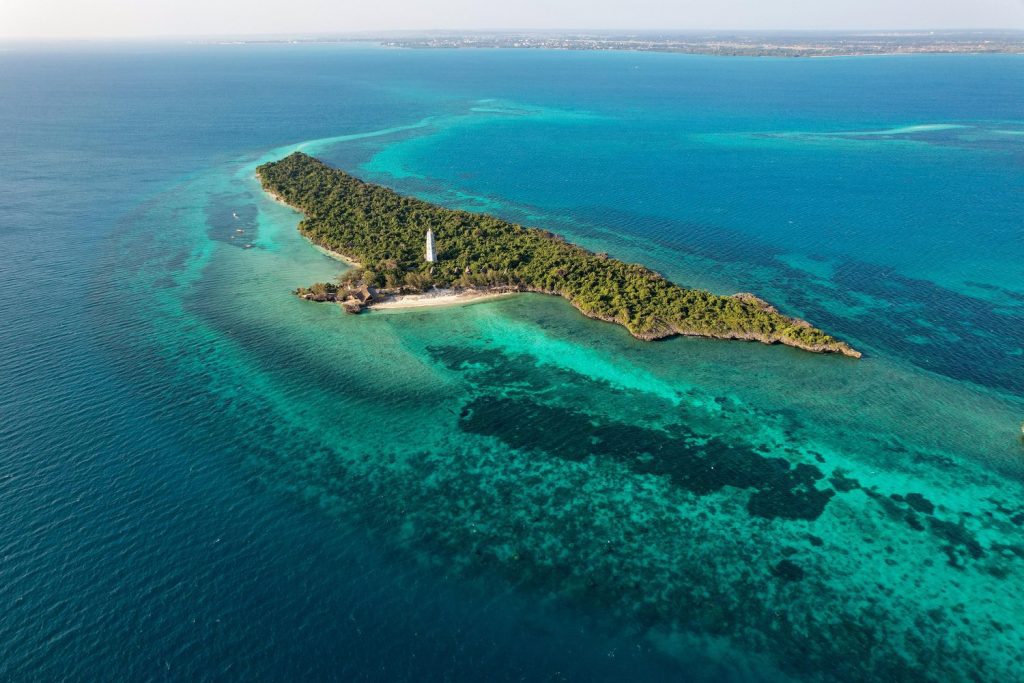
The Best Time to Experience Tanzania: A Month-by-Month Breakdown
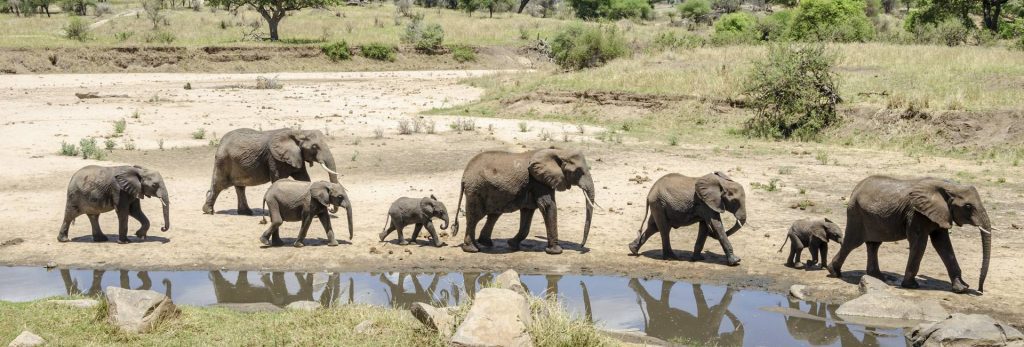
Table of Contents The Best Time to Experience Tanzania: A Month-by-Month Breakdown Tanzania is a year-round destination that offers something special every month of the year. From the Great Wildebeest Migration to serene off-season adventures, the country’s diverse landscapes and climates provide endless opportunities for exploration. However, understanding the seasonal variations in Tanzania can help you plan your trip to align with your interests and preferences. Whether you’re seeking unparalleled wildlife viewing, ideal weather conditions, or quieter experiences away from the crowds, this month-by-month guide will assist you in determining the Best Time to Experience Tanzania . Each season brings its own unique charm, making it essential to consider what you hope to gain from your visit. For instance, if you want to witness the breathtaking river crossings of the Great Migration, the Best Time to Experience Tanzania would be during the dry months of June through October. On the other hand, those looking for fewer tourists and lush greenery might find the wet season, particularly November to April, as their Best Time to Experience Tanzania . Additionally, budget-conscious travelers may prefer visiting during the off-peak months when prices drop significantly, offering excellent value without compromising on experience. By carefully evaluating these factors, you can pinpoint the Best Time to Experience Tanzania that suits your personal travel goals and creates memories to last a lifetime. Tanzania has two main seasons: the dry season (May–October) and the wet season (November–April), each offering distinct experiences that can influence your decision on the Best Time to Experience Tanzania . Within these broad categories, there are further nuances depending on the region and altitude, making it essential to understand what each month offers in terms of wildlife, weather, and crowd levels. For those wondering about the Best Time to Experience Tanzania , the dry season is often considered ideal for classic safari adventures. From May to October, wildlife congregates around water sources, providing excellent game viewing opportunities. This period also boasts pleasant weather conditions, with clear skies perfect for photography. However, it’s important to note that this is peak tourist season, so crowd levels may be higher during these months. On the other hand, the wet season might just be the Best Time to Experience Tanzania for travelers seeking a quieter, more budget-friendly adventure. From November to April, the lush green landscapes and reduced tourist numbers create a unique atmosphere. While wildlife may be more dispersed, birdwatchers and nature enthusiasts will find this time particularly rewarding. Additionally, the calving season in January and February adds a special dimension to the Best Time to Experience Tanzania , as thousands of wildebeest calves are born, attracting predators and creating thrilling scenes. Ultimately, determining the Best Time to Experience Tanzania depends on your personal preferences—whether you prioritize wildlife encounters, favorable weather, or avoiding crowds. By considering these factors, you can tailor your trip to align perfectly with your travel goals. May June July August September October November December January February March April When deciding the best time to experience Tanzania , consider the following factors: Tanzania offers incredible experiences throughout the year, with each month bringing its own charm and advantages. By carefully analyzing the seasonal variations and aligning them with your preferences, you can determine the Best Time to Experience Tanzania for your dream vacation. Whether you’re chasing the thrill of the Great Migration during the dry season or exploring remote corners in solitude during the wet season, there’s always an ideal moment to visit. The Best Time to Experience Tanzania depends on what you value most—whether it’s unparalleled wildlife viewing, serene landscapes, or cultural immersion. For instance, if you’re passionate about wildlife, the Best Time to Experience Tanzania would be during the migration months when thousands of wildebeest and zebras traverse the Serengeti. Alternatively, those seeking quieter adventures might prefer the off-peak months, where you can enjoy peaceful safaris away from the crowds. Victoria Expeditions is committed to guiding you every step of the way, ensuring that you make the most of your chosen Best Time to Experience Tanzania . Our expertise will help you plan wisely, pack accordingly, and prepare for an unforgettable journey. Get ready to create lasting memories in one of Africa’s most breathtaking destinations by selecting the Best Time to Experience Tanzania tailored just for you.
Safari Planning 101: What to Pack for Your Tanzanian Adventure
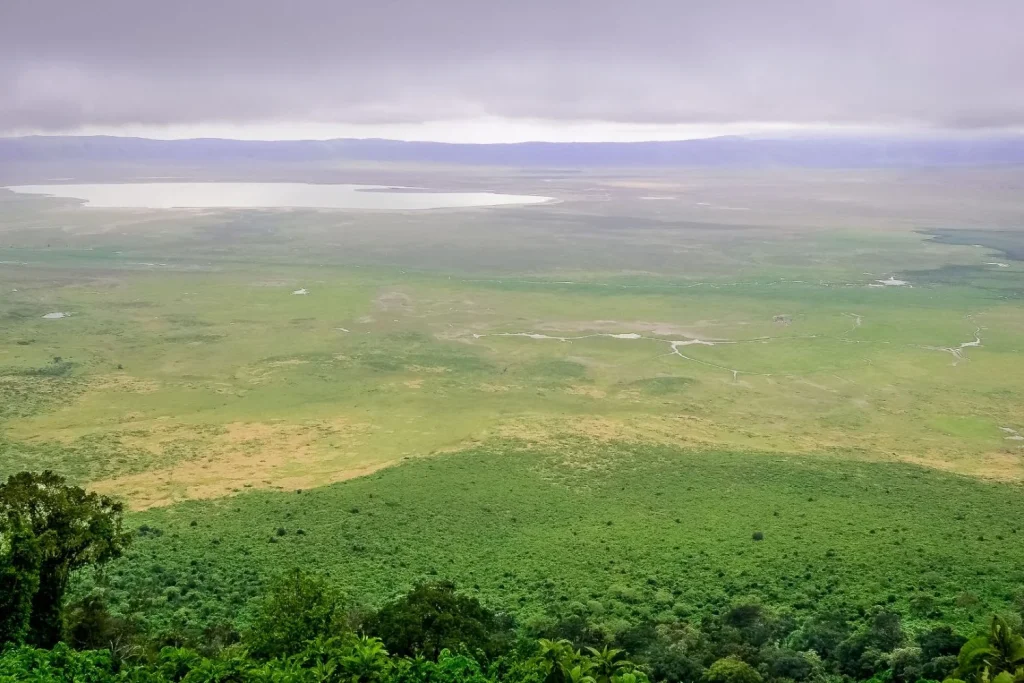
Table of Contents Safari Planning 101: What to Pack for Your Tanzanian Adventure Safari planning is the first step toward an unforgettable journey in Tanzania, where wildlife encounters and stunning landscapes await. Embarking on a safari in Tanzania is an experience like no other, combining thrilling adventures with breathtaking natural beauty. However, proper safari planning is key to ensuring comfort and safety during your journey. Whether you’re exploring the vast Serengeti plains, climbing the majestic Mount Kilimanjaro, or visiting remote villages, understanding what to pack can make all the difference. In this guide, we’ll walk you through safari planning essentials, offering comprehensive tips on gear, clothing, and health precautions tailored to Tanzania’s diverse climates and terrains. From choosing the right binoculars for wildlife viewing to packing appropriate clothing for varying altitudes, every detail matters. Proper safari planning ensures that you’re well-prepared for any adventure, whether it’s a game drive, a trekking expedition, or a cultural immersion. With thoughtful safari planning , you’ll be equipped to embrace the wonders of Tanzania fully, creating memories that will last a lifetime. Let this guide be your roadmap to a successful and enjoyable safari experience. Before diving into the safari planning packing list, it’s important to consider Tanzania’s varying conditions. The country boasts everything from arid savannas to lush rainforests and high-altitude mountains. These diverse environments play a crucial role in safari planning , as they impact the type of gear and clothing you’ll need. Here’s a quick overview to guide your safari planning process: With these factors in mind, let’s explore what to include in your luggage for a seamless Tanzanian adventure . 1. Binoculars No safari is complete without a good pair of binoculars. They allow you to observe wildlife up close while maintaining a safe distance. Look for lightweight, durable models with a magnification of 8×42 or 10×42. 2. Camera Equipment Capture every moment of your journey with a reliable camera. A DSLR or mirrorless camera with zoom lenses works best for wildlife photography. Don’t forget extra batteries, memory cards, and a protective case. 3. Daypack A versatile daypack is essential for carrying snacks, water bottles, sunscreen, and other essentials during daily excursions. Opt for one with multiple compartments for easy organization. 4. Sunglasses and Hat Protect yourself from the African sun with polarized sunglasses and a wide-brimmed hat. These items are crucial for both comfort and UV protection. 5. First Aid Kit Include basic medical supplies such as antiseptic wipes, band-aids, pain relievers, and any personal medications. It’s also wise to carry malaria prophylaxis if recommended by your doctor. Dressing appropriately is vital for staying comfortable during your safari. Here’s what to pack: 1. Neutral-Colored Clothing Stick to khaki, beige, and olive tones to blend in with the environment and avoid attracting insects. Bright colors may scare animals away. 2. Lightweight Layers Tanzania’s climate can vary throughout the day, so pack breathable fabrics like cotton and moisture-wicking materials. Bring long sleeves and pants to protect against mosquito bites. 3. Sturdy Footwear Invest in a pair of sturdy walking shoes or hiking boots for trekking and game drives. Avoid new footwear that hasn’t been broken in yet. 4. Warm Layers for High Altitudes If you’re climbing Mount Kilimanjaro or visiting high-altitude areas, bring thermal underwear, fleece jackets, and waterproof outerwear to combat cold temperatures. 5. Swimsuit Don’t forget a swimsuit for relaxing at lodges or beaches after a long day of exploration. Staying healthy is critical when traveling to remote regions. Follow these tips to ensure a safe and enjoyable trip: 1. Vaccinations Consult your healthcare provider about necessary vaccinations, including yellow fever, hepatitis A, and typhoid. 2. Malaria Prevention Take prescribed antimalarial medication before, during, and after your trip. Use insect repellent containing DEET and sleep under mosquito nets if provided. 3. Hydration Stay hydrated by drinking plenty of bottled water. Avoid tap water and ice unless confirmed safe. 4. Sun Protection Apply broad-spectrum sunscreen with SPF 30+ regularly, even on cloudy days. Reapply after swimming or sweating. 5. Travel Insurance Purchase comprehensive travel insurance that covers medical emergencies, trip cancellations, and lost belongings. While the above items apply to most safaris, certain activities may require additional considerations: 1. Game Drives For classic game drives, focus on practicality and comfort. Bring a sarong or shawl for cooler mornings and evenings, along with a reusable water bottle. 2. Trekking Adventures If you’re heading to Mount Kilimanjaro or Ruaha National Park, prioritize gear for rugged conditions. Pack trekking poles, gloves, and a headlamp for nighttime navigation. 3. Cultural Immersions When visiting local communities, dress modestly and respectfully. Women should cover shoulders and knees, while men should avoid shorts that are too short. To wrap up your safari planning , keep the following tips in mind: Proper safari planning ensures that your Tanzanian adventure is as smooth and enjoyable as possible. By focusing on safari planning , you can tailor your preparations to consider the climate, terrain, and specific requirements of your chosen activities. This approach allows you to create a packing list that meets all your needs while enhancing your overall experience. Remember to prioritize essentials like binoculars, appropriate clothing, and health precautions during your safari planning process. Additionally, leave space for spontaneity and discovery to make the most of your journey. These moments often lead to the most unforgettable experiences. With Victoria Expeditions guiding you and thorough safari planning , you’ll be well-prepared to embrace the wonders of Tanzania. Return home with memories that will last a lifetime. Effective safari planning truly sets the stage for an incredible adventure.
Cultural Immersion: Visiting Indigenous Communities in Tanzania
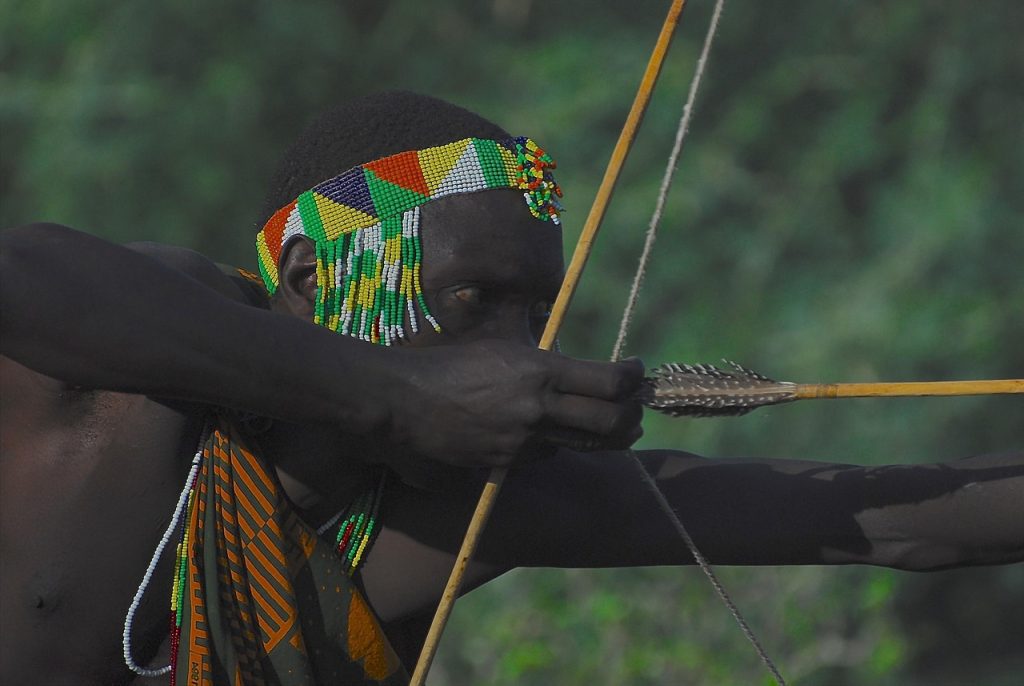
Table of Contents Cultural Immersion: Visiting Indigenous Communities in Tanzania Cultural immersion in Tanzania offers a unique opportunity to delve beyond the surface of this incredible country. Tanzania is not only a paradise for wildlife enthusiasts but also a treasure trove of cultural diversity. The country is home to over 120 ethnic groups, each with its own unique traditions, languages, and ways of life. For travelers seeking more than just a safari experience, cultural immersion provides a chance to engage deeply with local communities, learn about their customs, and create meaningful connections. In this guide, we’ll explore how you can immerse yourself in the vibrant cultures of Tanzania through visits to Maasai villages, meetings with the Hadzabe hunter-gatherers, and participation in traditional dances and ceremonies. These experiences offer a window into the soul of Africa, allowing you to appreciate the richness of human heritage alongside the natural wonders of the land. Through cultural immersion , you can truly understand and celebrate the diverse tapestry that makes Tanzania so special. One of the most popular cultural immersion activities in Tanzania is visiting Maasai villages. The Maasai people are renowned for their distinctive red shukas (cloaks), intricate beadwork, and semi-nomadic lifestyle. They have preserved their traditions despite modern influences, making them one of the most iconic tribes in East Africa. What to Expect: Insider Tip: Respect local customs by asking permission before taking photos and dressing modestly when visiting Maasai villages. This ensures a respectful and enriching cultural immersion experience. For those looking for a truly unique cultural immersion encounter, interacting with the Hadzabe people is a must. One of the last remaining hunter-gatherer tribes in Africa, the Hadzabe live in the remote areas around Lake Eyasi. Their way of life has remained largely unchanged for thousands of years, offering visitors a glimpse into prehistoric times. Highlights of Your Visit: Fun Fact: The Hadzabe language, known as Hadza, is unlike any other in the world and does not belong to any known linguistic family. A key aspect of cultural immersion in Tanzania is joining in celebrations and rituals that form the backbone of community life. Whether it’s a wedding ceremony, harvest festival, or initiation rite, these events offer a chance to witness the vibrancy and spirit of Tanzanian cultures firsthand. Key Experiences: Participating in such events allows you to step beyond the role of observer and become an active participant in the cultural tapestry of Tanzania. While the Maasai and Hadzabe are among the most well-known tribes, Tanzania is home to many other fascinating communities waiting to be discovered. Here are a few examples: Each group brings something special to the table, enhancing the depth of your cultural immersion journey. To ensure your interactions with indigenous communities are respectful and sustainable, keep the following tips in mind: Engaging with indigenous communities through cultural immersion provides far more than just entertainment—it fosters understanding, appreciation, and mutual respect. By stepping outside the confines of mainstream tourism, you gain a deeper connection to the places you visit and the people who call them home. Tanzania’s diverse cultural landscape offers endless opportunities for growth and discovery. From learning about ancient traditions to participating in lively celebrations, every moment spent connecting with locals enriches your travel experience and leaves a lasting impact. Cultural immersion in Tanzania goes beyond mere observation; it invites you to actively participate in the lives of those who have called this land home for centuries. Whether you’re exploring Maasai villages, meeting the Hadzabe hunter-gatherers, or dancing to the rhythm of traditional drums, these encounters will leave you inspired and transformed. Plan your next adventure with Victoria Expeditions and let us guide you through the heart and soul of Tanzania’s rich cultural heritage. Embrace the beauty of diversity and create memories that will stay with you long after your journey ends.
Beyond the Big Five: Unique Wildlife Experiences in Tanzania
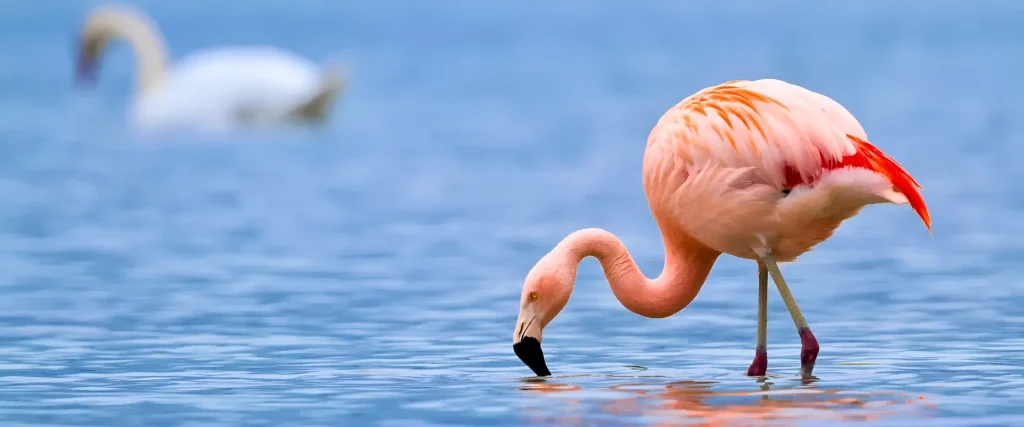
Table of Contents Beyond the Big Five: Unique Wildlife Experiences in Tanzania When most people think of a Tanzanian safari, they envision lions roaring, elephants strolling gracefully across plains, and leopards lounging in trees—commonly referred to as the “Big Five.” While these iconic animals are undeniably captivating, Tanzania offers so much more than just these well-known species. From rare predators to vibrant birdlife and awe-inspiring migrations, there’s an entire world of unique wildlife experiences in Tanzania waiting for you to explore. In this guide, we’ll delve into some of the lesser-known yet equally fascinating aspects of Tanzania’s rich biodiversity, showcasing why unique wildlife experiences should be at the top of your safari itinerary. Whether it’s encountering African wild dogs, enjoying incredible birdwatching opportunities, or witnessing the breathtaking Great Wildebeest Migration, Tanzania is a true paradise for nature enthusiasts. Let’s uncover what makes these unique wildlife experiences so special and unforgettable. One of the most thrilling unique wildlife experiences in Tanzania is spotting the African wild dog, one of Africa’s most endangered carnivores. Known scientifically as Lycaon pictus , these beautifully patterned canines are highly social and exhibit remarkable teamwork when hunting. Encountering these animals is a true unique wildlife experience that offers a glimpse into the intricate dynamics of one of nature’s most efficient predators. With their striking coats and large rounded ears, wild dogs are both stunning and elusive, making any sighting a memorable highlight of your safari. These creatures represent just one of the many unique wildlife experiences that Tanzania has to offer, showcasing the country’s incredible biodiversity beyond the more commonly seen “Big Five.” For those seeking unique wildlife experiences , the African wild dog stands out not only for its rarity but also for its fascinating behavior. Observing them in action provides an unparalleled opportunity to witness the beauty and complexity of the natural world, leaving a lasting impression on every adventurer fortunate enough to cross paths with them. Where to See Them: Fun Fact: African wild dogs have one of the highest success rates among hunters, with up to 80% of their chases resulting in a kill. Tanzania is a haven for bird lovers, boasting over 1,000 bird species—nearly half of all African birds! Whether you’re a seasoned birder or simply enjoy observing avian life, the country provides countless opportunities for unique wildlife experiences in Tanzania through birdwatching. Key Destinations: Must-See Birds: Birdwatching in Tanzania not only enriches your safari experience but also highlights the incredible diversity of life within the ecosystem. No discussion about unique wildlife experiences in Tanzania would be complete without mentioning the Great Wildebeest Migration. This phenomenon, often called the “Greatest Show on Earth,” is one of the most spectacular unique wildlife experiences nature has to offer. It involves millions of wildebeests, zebras, and gazelles migrating across the Serengeti and Masai Mara ecosystems in search of fresh grazing lands. Witnessing the Great Wildebeest Migration is a quintessential part of Tanzania’s unique wildlife experiences , offering visitors an unforgettable opportunity to observe the raw power and beauty of the natural world. From dramatic river crossings to the constant presence of predators, this annual event showcases the resilience and determination of these incredible animals as they navigate their challenging journey. Key Highlights: Best Time to Visit: The migration is a testament to nature’s cyclical rhythms and showcases the resilience of wildlife in the face of challenges. While popular parks like Serengeti and Ngorongoro Crater attract crowds, Tanzania’s lesser-known reserves offer quieter and more intimate unique wildlife experiences in Tanzania . These hidden gems provide unparalleled opportunities to connect with nature away from the tourist trail. Top Recommendations: Visiting these off-the-beaten-path destinations allows you to immerse yourself in untouched wilderness and encounter species rarely seen elsewhere. Beyond terrestrial adventures, Tanzania also offers exciting marine wildlife experiences. Along its coastline and islands like Zanzibar, Pemba, and Mafia, snorkelers and divers can marvel at vibrant coral reefs teeming with colorful fish, sea turtles, and even whale sharks. Key Activities: These underwater excursions add another dimension to your unique wildlife experiences in Tanzania , showcasing the country’s diverse ecosystems. To make the most of your unique wildlife experiences in Tanzania , keep the following tips in mind: Tanzania is much more than just the Big Five—it’s a treasure trove of unique wildlife experiences that cater to every kind of adventurer. From tracking elusive African wild dogs to marveling at the kaleidoscope of birdlife and witnessing the grandeur of the Great Wildebeest Migration, the possibilities are endless. By venturing beyond the usual suspects, you’ll uncover the true magic of Tanzania’s untamed landscapes and create memories that will last a lifetime. Plan your next safari with Victoria Expeditions and let us guide you through the wonders of this incredible destination!
Climbing Mount Kilimanjaro: Choosing the Right Route for Your Adventure
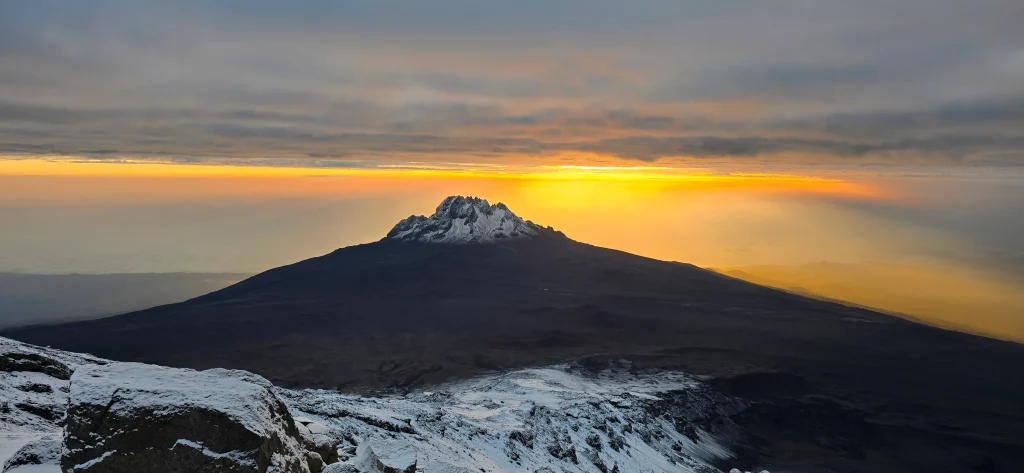
Table of Contents Climbing Mount Kilimanjaro: Choosing the Right Route for Your Adventure Mount Kilimanjaro, Africa’s tallest peak and one of the world’s most iconic summits, stands at 5,895 meters (19,341 feet) above sea level. Known as the “Roof of Africa,” it attracts thousands of climbers each year who come to conquer its majestic slopes. With seven main routes leading to Uhuru Peak, choosing the right trail can make or break your experience. This comprehensive guide will help you understand the differences between the Marangu, Machame, Lemosho, and Rongai routes so you can select the best option for your climbing Mount Kilimanjaro journey. When planning your climbing Mount Kilimanjaro adventure, it’s important to consider factors such as difficulty levels, scenic beauty, and acclimatization opportunities. Each route offers a unique experience, catering to different preferences and skill levels. Whether you’re a seasoned trekker or a first-time climber, understanding these aspects will ensure you choose the path that aligns with your goals. Ultimately, the decision comes down to what kind of experience you want for your climbing Mount Kilimanjaro expedition. By weighing the pros and cons of each route, you’ll be better equipped to embark on an unforgettable journey to the top of Africa’s highest peak. Each route offers a unique combination of difficulty, scenery, and acclimatization opportunities. While all paths lead to the same summit, they differ significantly in terms of terrain, altitude gain, and overall experience. Selecting the right route depends on factors like your fitness level, budget, time availability, and personal preferences. Understanding these aspects is crucial when planning your Climbing Mount Kilimanjaro adventure. Whether you are a seasoned trekker or a first-time climber, the choice of route can greatly impact your Climbing Mount Kilimanjaro journey. For instance, some routes may offer more gradual ascents for better acclimatization, while others provide stunning vistas that make the effort worthwhile. By considering these elements, you can ensure a more enjoyable and successful Climbing Mount Kilimanjaro expedition. The Marangu Route is often referred to as the “Coca-Cola” route because it was historically known for its basic huts where climbers could purchase soft drinks. It remains one of the most popular options due to its shorter duration and relatively straightforward ascent. Key Features: Pros: Cons: If you’re looking for a cost-effective and manageable way to climb Mount Kilimanjaro, the Marangu Route might be ideal. However, keep in mind that it requires good physical conditioning despite being labeled as moderate. Nicknamed the “Whiskey” route, the Machame Route is more challenging but far more rewarding in terms of stunning landscapes. It’s the second most popular choice for climbers and offers excellent acclimatization opportunities. Key Features: Pros: Cons: The Machame Route is perfect for adventurers who want an immersive experience while still having ample time to adjust to the altitude. Its dramatic landscapes and varied terrains make it a favorite among seasoned climbers. The Lemosho Route is renowned for its incredible scenery and gradual ascent, making it one of the best options for successful summit attempts. Starting from the western side of the mountain, this route provides ample opportunity for acclimatization. Key Features: Pros: Cons: For climbers aiming for both aesthetics and success, the Lemosho Route is unparalleled. Its remote location ensures fewer crowds, allowing you to enjoy the tranquility of nature during your climbing Mount Kilimanjaro expedition. The Rongai Route is the only trail that approaches Mount Kilimanjaro from the northern side, offering a unique perspective of the mountain. It’s also considered the easiest of the longer routes, making it suitable for first-time climbers. Key Features: Pros: Cons: The Rongai Route appeals to climbers seeking solitude and a less strenuous climb. While it lacks the dramatic landscapes of other trails, its peaceful atmosphere makes up for it. Selecting the right route involves weighing several factors: Regardless of which route you choose, preparation is key to a successful climbing Mount Kilimanjaro experience: Climbing Mount Kilimanjaro is an unforgettable adventure that demands careful planning and consideration of available routes. With options like the classic Marangu Route, the scenic Lemosho Trail, the challenging Machame Path, or the quiet Rongai Approach, each route offers something unique for your climbing Mount Kilimanjaro journey. By understanding the differences in difficulty, duration, and scenery, you can tailor your expedition to suit your goals and capabilities, ensuring a rewarding experience. When embarking on climbing Mount Kilimanjaro , it’s essential to evaluate which route aligns best with your fitness level, time availability, and preferences. For instance, if you’re looking for a more straightforward path, the Marangu Route might be ideal. However, if you seek breathtaking landscapes and a higher chance of success due to better acclimatization, the Lemosho or Machame routes could be perfect. Meanwhile, those seeking solitude may prefer the less-traveled Rongai Approach. At Victoria Expeditions , we specialize in guiding adventurers through their climbing Mount Kilimanjaro dreams, offering expert support and personalized itineraries to enhance your experience. Whether you’re a seasoned trekker or a first-time climber, our team ensures you’re well-prepared for this incredible challenge. Plan wisely, prepare thoroughly, and let climbing Mount Kilimanjaro become the journey of a lifetime. With the right guidance and preparation, you’ll stand atop Uhuru Peak, ready to cherish memories that will last forever.
The Ultimate Guide to Tanzania’s Northern Safari Circuit
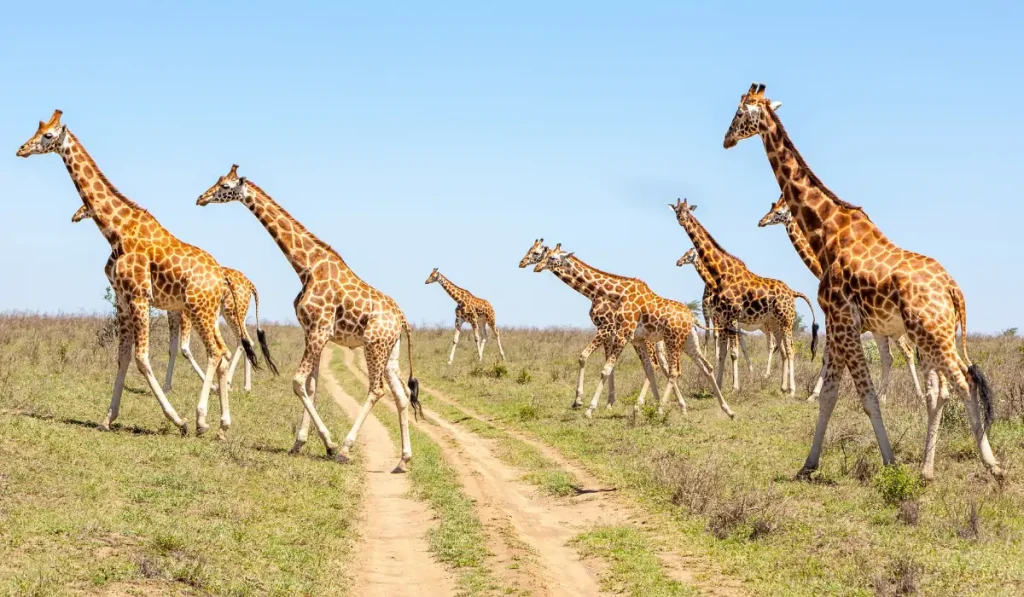
Table of Contents The Ultimate Guide to Tanzania’s Northern Safari Circuit Tanzania’s Northern Safari Circuit is a dream destination for nature enthusiasts, wildlife lovers, and adventurers alike. Spanning some of Africa’s most renowned national parks and conservation areas, this circuit offers an unparalleled experience that combines stunning landscapes, diverse ecosystems, and incredible wildlife encounters. Whether you’re planning your first African safari or looking to explore new frontiers, this ultimate guide will help you navigate the wonders of Tanzania’s Northern Safari Circuit. The Northern Safari Circuit encompasses several key locations, each offering its own unique charm and attractions. From the vast plains of the Serengeti to the dramatic caldera of the Ngorongoro Crater, every stop along this route promises awe-inspiring moments. Here’s why it stands out: Let’s dive deeper into the highlights of this remarkable journey. No discussion about the Northern Safari Circuit would be complete without mentioning the legendary Serengeti National Park. Covering over 14,763 square kilometers, the Serengeti is home to one of the largest animal migrations on Earth—the Great Migration. Every year, millions of wildebeest, zebras, and gazelles traverse the park in search of fresh grazing lands, creating a spectacle unlike any other. Key Features: Insider Tip: Book your accommodations well in advance if you plan to witness the migration during peak months. Mobile camps are also available for those seeking an immersive experience. Often referred to as the “eighth wonder of the world,” the Ngorongoro Crater is a must-visit on the Northern Safari Circuit . This UNESCO World Heritage Site is the largest intact volcanic caldera in the world, teeming with wildlife and surrounded by steep, forested walls. Key Features: Fun Fact: The Ngorongoro Conservation Area is one of the few places where endangered black rhinos can still be found in the wild. While less crowded than the Serengeti and Ngorongoro Crater, Tarangire National Park holds its own as part of the Northern Safari Circuit . Known for its towering baobab trees and large herds of elephants, Tarangire offers a quieter yet equally rewarding safari experience. Key Features: Pro Tip: Take a hot air balloon ride over the park for a bird’s-eye view of the landscape and wildlife below. Last but not least, Lake Manyara National Park rounds off the Northern Safari Circuit with its unique features and vibrant ecosystem. This small yet captivating park is famous for its tree-climbing lions and pink flamingos that flock to the alkaline lake during certain seasons. Key Features: Did You Know? Lake Manyara is also known for its ground water forest, which provides a cool retreat for both animals and visitors. Timing plays a crucial role in ensuring a memorable safari experience. While the Northern Safari Circuit can be visited year-round, certain periods are ideal depending on your interests: For those hoping to catch the Great Migration, aim for late June through early July when the herds cross the Mara River. What to Expect on Your Safari Adventure Embarking on the Northern Safari Circuit involves more than just spotting wildlife. It’s an opportunity to connect with nature, immerse yourself in local culture, and create lifelong memories. Here’s what you can expect: To ensure comfort and convenience during your trip, consider packing the following essentials: The Northern Safari Circuit remains one of the most sought-after safari routes in Africa, offering travelers a chance to witness the continent’s raw beauty and abundant wildlife. With iconic destinations like the Serengeti, Ngorongoro Crater, Tarangire National Park, and Lake Manyara, there’s no shortage of excitement and discovery waiting for you. Plan your itinerary carefully, choose the right time to visit, and prepare yourself for an unforgettable adventure. Whether you’re a seasoned traveler or a first-time visitor, the Northern Safari Circuit promises to leave an indelible mark on your heart. Book your trip today and let Victoria Expeditions guide you through this extraordinary journey!
Bird Watching in Tanzania: Top Spots and Species

Table of Contents Bird Watching in Tanzania: Top Spots and Species Tanzania is famous for its great wildlife, but it is also one of the finest places for birdwatchers. With over 1,100 species of birds, including a few endemic species and some migratory birds, Tanzania offers some of the best bird-watching opportunities in the world. With so many varied habitats—from rainforest through wetland to savannah—either the keen or casual birder will find exactly the right backdrop. Best Time for Bird Watching in Tanzania The best time to watch birds in Tanzania is between November and April during the wet season when migratory birds from Europe and North Asia are visitors to the country. This is because of the recent rainy season landscapes; most bird species are commonly spotted nesting or feeding anytime among the luscious green surrounds. During that period, it will be fully expressed that in Tanzania, seeing the variety is tremendous. Top Bird Watching Spots in Tanzania Tanzania boasts a number of world-class bird-watching destinations. These spots provide great chances to see a variety of species in their natural habitats. 1. Ngorongoro Crater Ngorongoro Crater, one of the most famous wildlife spots in Tanzania, is also a fantastic destination for birdwatching. The area is home to more than 500 species of birds, including the rare, endangered Grey Crowned Crane. This rare ecosystem contains grasslands, swamps, and forests; thus, it is a haven for species such as flamingos, vultures, and ostriches. This is one of the great places for bird watching in Tanzania because the rich biodiversity of the Crater supports both endemic and migratory birds. 2. Lake Manyara National Park The most dramatic Lake Manyara National Park, situated at the bottom of the Great Rift Valley, is known for the diversity in its birdlife. With over 400 species of birds, wetlands in the park host big flocks of flamingos. The pink flamingos can normally be found along the shoreline, feeding, but pelicans, herons, and ibises also form part of the population. Birdwatching is particularly attractive in Tanzania because of its abundance of waterfowl and raptors, which include the majestic African Fish Eagle. 3. Tarangire National Park While Tarangire National Park is famous for its elephants, it is also one of the best places for bird watching in Tanzania. With its mixed topography ranging from riverine forests to dry savannah, a variety of different environments are provided for birds. You will find species such as the Lilac-breasted Roller, Secretarybird, and even the endangered African Parrot. Bird watching in Tanzania is particularly rewarding in Tarangire for its high number of species that make the park their home, especially during the dry season. 4. Serengeti National Park Serengeti National Park is best known for its large concentrations of wildlife, but it’s also a prime destination for bird watching in Tanzania. Of course, over 500 species of birds inhabit this area, including the highly elusive Secretarybird, Kori Bustard, and several species of eagles and vultures. The different land compositions of the Serengeti—from grassland to woodland—favor a habitat for many birds. The migratory movements occurring within this park yearly bring along several bird species, hence favoring the destination for bird enthusiasts. 5. Ruinsori Forest Reserve Those requiring further forest birding are catered for with the Ruinsori Forest Reserve, which provides some of the great birding possible in Tanzania. It boasts a number of forest-dwelling species, including African Blue Flycatcher, White-cheeked Turaco, and the colorful Great Blue Turaco. Birding in Tanzania is most unique here, as it contains species that are rather difficult to find elsewhere in the country. Notable Bird Species to Spot in Tanzania Tanzania is one of those heavens for bird species. Following are some of the most remarkable birds to look out for: Bird Watching Tours in Tanzania If you want to elevate your bird-watching game, join any of the various Tanzania birdwatching tours that are at your disposal. These tours are led by highly experienced guides, knowing where to find even the most elusive species and thus being able to give you the best insight into Tanzania’s avifauna. From Serengeti and Ngorongoro Crater to shores of Lake Tanganyika, guided birding tours will give you a perfect opportunity to view amazing birds that Tanzania can offer. Conclusion Bird watching in Tanzania is something that no nature enthusiast should miss. With its diverse habitats and wide variety of bird species, bird watching in Tanzania offers some of the best bird-watching destinations in Africa. Whether you visit the famous Ngorongoro Crater or the lesser-known Ruinsori Forest Reserve, Tanzania’s bird life will surely leave you astonished. Bird watching in Tanzania is a great way to experience the country’s wildlife, with everything from flocks of migratory birds to endemic rare species. From the unique habitats of the Serengeti to the wetlands of Lake Manyara, bird watching in Tanzania provides opportunities to observe some of the world’s most beautiful and diverse birds. The variety of species, ranging from vibrant tropical birds to elusive raptors, makes bird watching in Tanzania a must-do activity for any wildlife enthusiast. Whether you’re a seasoned birder or just getting started, bird watching in Tanzania offers a chance to experience some of the most stunning avian species in their natural habitat. The country’s rich bird life makes bird watching in Tanzania an unforgettable experience, filled with excitement and discovery. Bird watching in Tanzania is not just about seeing birds; it’s about immersing yourself in the natural beauty of one of Africa’s most diverse ecosystems. By planning a bird-watching adventure in Tanzania, you’ll quickly realize why bird watching in Tanzania is considered one of the best in the world. The country’s unique blend of ecosystems, from tropical rainforests to savannas, ensures that bird watching in Tanzania is a year-round activity for all types of bird lovers. Don’t miss out on the incredible bird watching in Tanzania.
Unforgettable Beach Getaways: From Zanzibar to More

Table of Contents Unforgettable Beach Getaways: From Zanzibar to More Tanzania is not only home to incredible wildlife safaris but also some of the most breathtaking beach destinations in the world. From the turquoise waters of Zanzibar Beach Destinations to the hidden gems of Tanzania’s mainland coastline, this East African country offers pristine beaches, vibrant marine life, and unforgettable cultural experiences. Whether you’re looking to relax, explore, or enjoy water sports, Zanzibar Beach Destinations have something for everyone. Whether you’re relaxing on the soft sand or diving into the clear waters, Zanzibar Beach Destinations are known for their natural beauty and unique charm. With a mix of adventure, tranquility, and local culture, Tanzania’s coastal gems truly stand out. Zanzibar features as one of the world’s most iconic beach destinations, known for its powdery white sand beaches lapped by turquoise clear waters and its rich cultural history. This beautiful archipelago offers something for every traveler: Referred to as “The Green Island,” Pemba is quieter than Zanzibar. The virgin beaches and coral reefs offer this place as a dream destination for divers and snorkelers. No other marine biodiversity compares to that found here, which gives the opportunity to see colorful fish, turtles, and even dolphins. Mafia Island is another of Tanzania’s beach destinations that is not very famous. It houses the Mafia Island Marine Park, which is a protected area of teeming marine life. The best time to visit Mafia Island is from October to March during which you can swim alongside the majestic whale sharks. The coastline of the Tanzanian mainland is less explored but still possesses some fantastic beach destinations matching that of Zanzibar. Tanzania’s beaches are not just for sunbathing. Here are some activities that will make your trip unforgettable: The most ideal time to visit the beaches of Tanzania, including Zanzibar and beyond, is during the dry season from June to October. During this period, the weather is sunny, the skies are clear, and the waters are perfect for swimming and diving. From the famous Zanzibar Beach Destinations to the lesser-known treasures of Pemba and Mafia Islands, Tanzania’s beaches offer a blend of warm hospitality, unparalleled relaxation, and adventure. Whether you’re looking to relax or explore, Zanzibar Beach Destinations provide the perfect escape for any type of traveler. These pristine shores and vibrant marine life make Zanzibar Beach Destinations far more than just a stop on a safari tour—they are a paradise for beach lovers. Tanzania is truly home to some of the best beaches in the world, and Zanzibar Beach Destinations lead the way with their picturesque landscapes. Whether you’re visiting the bustling Nungwi Beach or the quiet Kendwa Beach, Zanzibar Beach Destinations cater to all tastes. If you’re seeking serenity or lively adventure, Zanzibar Beach Destinations will not disappoint. Pemba Island, though quieter than Zanzibar, also boasts incredible beaches that are perfect for diving and snorkeling. These are some of the most undiscovered and peaceful Zanzibar Beach Destinations, perfect for those wanting to avoid the crowds. Mafia Island is another hidden gem among the Zanzibar Beach Destinations, with its pristine reefs and incredible marine life. Each of these Zanzibar Beach Destinations offers something unique, whether it’s vibrant nightlife, peaceful solitude, or world-class diving. If you’re planning a trip to Tanzania, don’t miss out on the unforgettable experiences found in Zanzibar Beach Destinations. By following this guide, you’ll ensure that you make the most of your journey to the stunning Zanzibar Beach Destinations and beyond. From the famous beaches to the more tranquil locations, Tanzania’s coastal gems offer a unique and unforgettable beach experience.
Best Time to Visit Tanzania: A Month-by-Month Guide
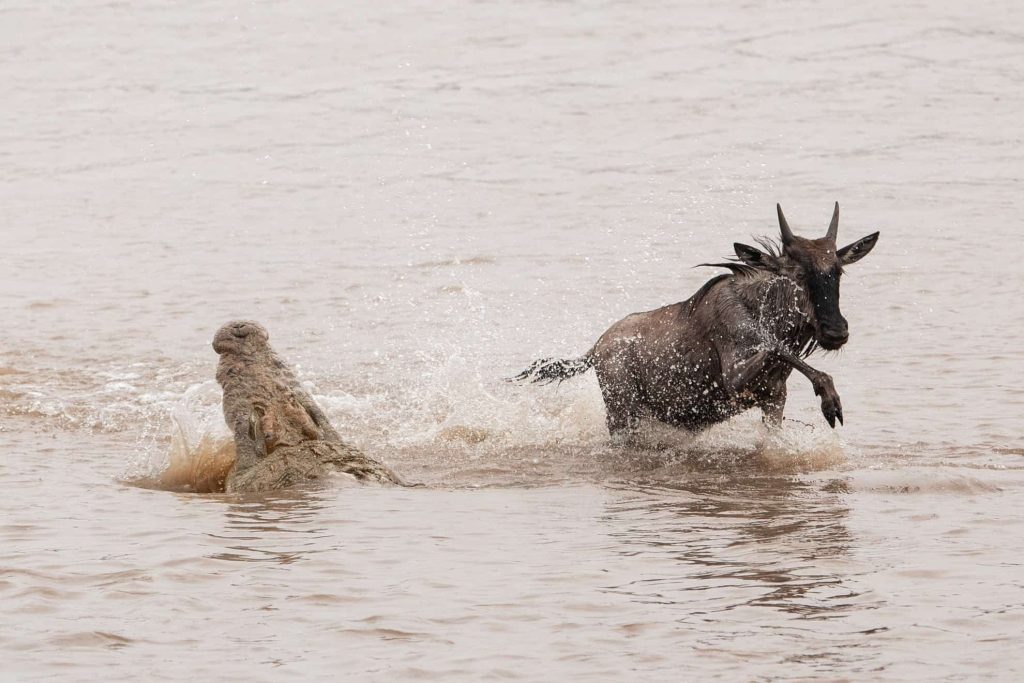
Table of Contents Best Time to Visit Tanzania: A Month-by-Month Guide Tanzania has one of the most exciting safari and travel holidays in the world. From the Great Wildebeest Migration, stunning beaches in Zanzibar, or climbing the peaks of Mount Kilimanjaro, the timing of your visit determines a lot. With its varied weather and seasonal highlights, planning a trip around the best time to visit can make all the difference. Visiting Tanzania in the first half of the year allows travelers the opportunity to enjoy the wildebeest calving, usually occurring in Southern Serengeti. Within this time, thousands of wildebeests, zebras, and gazelles give birth. It is also the ideal period for predator sightings as lions, cheetahs, and hyenas gather for easy prey. The weather is warm, and with the short rains almost over, this is a great time for photography. This is Tanzania’s long rainy season, from March to May of every year. Though it counts as low season because of heavy rains, it’s still the best time to visit Tanzania for budget travelers. The lodges and safari camps have discounted rates, making them more attractive to this category of tourists. The lush-green landscapes are a good backdrop for wildlife photography. Although some areas may be challenging to reach due to muddy roads, fewer crowds make for a more intimate safari experience. This is generally considered the best time to visit Tanzania for safaris. During the dry season, animals gather around waterholes and rivers, making wildlife viewing easier. It’s also peak time for the Great Wildebeest Migration across the Grumeti and Mara Rivers. The skies are clear, and the temperature is mild—just perfect for game drives and outdoor activities. The beaches in Zanzibar are also at their best, full of action and adventure during this time. The short rains start in November and go on until December. The rain is not as heavy as the one experienced during the long rainy season, but the landscapes wear their vivid green color. This attracts most birdwatchers and photographers who enjoy taking pictures. Indeed, December is one of the best months to visit Tanzania, especially when holidaymakers try to combine safaris with beach trips. The Serengeti is still alive, and waters along the coastline are perfect for snorkeling and diving. Essentially, the Best Time to Visit Tanzania depends on one’s interests and what they would consider an ideal trip. Whether it’s during the wildebeest migration, which many consider the Best Time to Visit Tanzania for wildlife enthusiasts, or enjoying the amazing scenery and beautiful beaches, the country offers something special year-round. For safari lovers, the Best Time to Visit Tanzania often coincides with the dry season, as it provides exceptional wildlife viewing opportunities. If you’re a photographer, the green season might be the Best Time to Visit Tanzania to capture lush landscapes and vibrant colors. Beach lovers will find the Best Time to Visit Tanzania during the warm, dry months, perfect for relaxing on Zanzibar’s pristine shores. Even during the rainy seasons, some travelers argue it’s still the Best Time to Visit Tanzania, especially for those seeking fewer crowds and discounted rates. Ultimately, the Best Time to Visit Tanzania is a personal decision, but with so many highlights, any time could be the right time. So, plan your trip wisely to ensure your visit aligns with your preferred activities, and you’ll create lifetime memories in this incredible destination during the Best Time to Visit Tanzania!