
Tips for Wildlife Photography on Your Safari in Tanzania

Table of Contents Tips for Wildlife Photography on Your Safari in Tanzania A safari in Tanzania is your best opportunity to capture some of the most powerful and awe-inspiring moments of life on Earth. With vast expanses of savannah grasslands, tremendous vistas, and plentiful game, Tanzania is any photographer’s dreamland. Here are essential wildlife photography tips that you need to know to make the most out of your experiences through the camera viewfinder, capturing the great flora and fauna in Tanzania. Tanzania is home to iconic destinations like the Serengeti, Ngorongoro Crater, and Tarangire National Park, where you can witness and photograph animals like lions, elephants, giraffes, and wildebeests in their natural habitats. These destinations offer a perfect setting for a safari, ensuring you leave with memorable photographs while respecting the environment and wildlife. First among the very important critical wildlife photography tips is packing the right equipment. Bring a DSLR or mirrorless camera with a good zoom lens; ideally, a 200-400mm lens is recommended. A sturdy tripod or monopod is crucial for holding shots steady, especially in low light. With a memory card and batteries, you are all set, as safaris typically last several hours. Carry a lens hood to reduce glare and safeguard your gear against dust. Tanzanian wildlife is most active in the early morning and late afternoon, and these are some of the best times of day for photography because of the soft, golden light. Referred to as the “golden hours,” this time brings out your pictures with a warm tone and dramatic shadows, enhancing the overall beauty of your shots. Before going on a safari, study the behavior and patterns of the animals you want to photograph. By understanding their habits, you can predict where and when they might appear, which will allow you to capture better shots. For example: Knowledge of animal behavior is one of the key wildlife photography tips to capture a perfect shot. Always remember that you are in the animals’ home. Keep a safe distance from the wildlife, avoid making loud noises, and never attempt to feed or provoke them. Ethical photography means taking care of the environment and practicing sustainable tourism. To capture interesting and dynamic photos, here are some composition wildlife photography tips: The eyes are the most expressive part of an animal and can bring your photos to life. Lock your focus on the animal’s eyes to create an emotional bond in your images. Wildlife photography often requires patience to capture that magic moment. Take your time, observe the animals closely, and remember that many times, the greatest shots are captured when you least expect it. Tanzania offers countless opportunities to shoot action scenes, such as lions hunting or wildebeests crossing rivers. Set your camera to a fast shutter speed to freeze the action and use continuous shooting mode to capture a sequence of photos. Try to avoid using flash photography, as this can startle the animals. Instead, take advantage of natural light to highlight the textures and colors of the scene. Adjust your camera settings to maximize the available light and enhance your images. After taking your shots, post-processing is key to enhancing the quality of your images. Tools like Adobe Lightroom or Photoshop can be used to adjust brightness, contrast, and color balance, while preserving the integrity of the image. To capture stunning photos during your Tanzanian safari, forethought, patience, and respect for nature are essential. By following these wildlife photography tips, you’ll return home with incredible images, all while supporting sustainable tourism by being considerate of your surroundings. These wildlife photography tips are designed to help you make the most of your safari experience. The right approach to wildlife photography, especially in Tanzania, can transform your pictures into lasting memories. Understanding your subject and timing your shots according to the golden hours are crucial wildlife photography tips that will improve your outcomes. One of the most important wildlife photography tips is learning to use natural light to your advantage. Flash photography can startle wildlife, so using the natural environment as your light source is a key consideration for any serious photographer. Similarly, patience is an essential element in wildlife photography, making it one of the most important wildlife photography tips for getting the perfect shot. Composition is another of the top wildlife photography tips that can elevate your photos. When you compose a shot, think about the story you want to tell. Whether it’s the majestic beauty of an elephant in the Serengeti or a cheetah in mid-sprint, framing and composition are key to crafting a compelling image. One of the best wildlife photography tips involves focusing on the eyes of the animal. Capturing the emotion and intensity in the eyes of the wildlife can create a deeper connection and more powerful photograph. In addition to these practical wildlife photography tips, knowing how to use your camera settings to your advantage, such as adjusting shutter speed and aperture for motion shots, can make a world of difference. The right camera settings will ensure that your wildlife photos are sharp, dynamic, and full of life. By using these wildlife photography tips, you’ll be able to enhance your photography skills while respecting the beauty and preservation of Tanzanian wildlife. The images you capture will not only reflect your ability to document nature but also serve as a testament to the importance of protecting the wildlife that makes Tanzania so unique. Your journey into the wilds of Tanzania is one you’ll never forget, and with the right wildlife photography tips, you can relive those moments through your photographs for years to come.
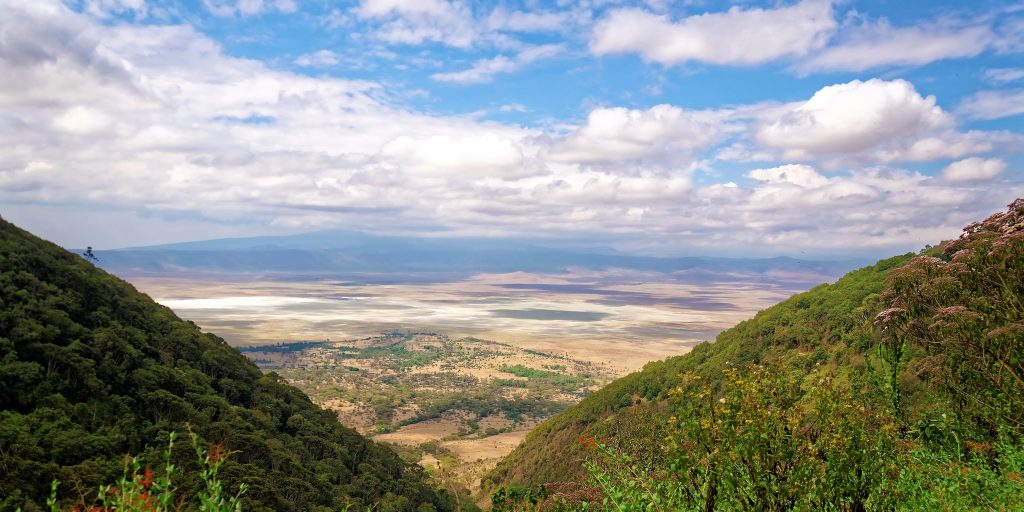
Eco-Friendly Tourism Practices in Tanzania
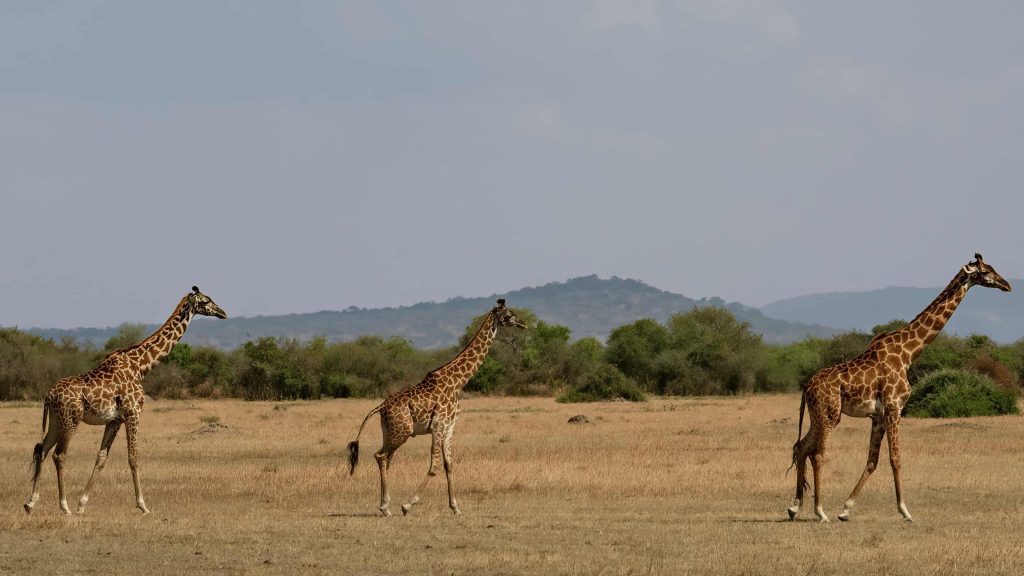
Table of Contents Eco-Friendly Tourism Practices in Tanzania Tanzania is among the most magnificent countries in the world, comprising breathtaking sceneries, diverse fauna, and a vibrant culture. With tourism in this country increasing, the adoption of sustainable tourism practices has become vital in ensuring that the environment and local communities are preserved. Indeed, Tanzanian tourism eco-friendly initiatives protect natural resources and ensure a long-term positive impact on future generations. What is Sustainable Tourism? Sustainable tourism is to travel responsibly to a destination with minimal or no negative impacts—economic, cultural, and environmental—while maximizing its benefits. In Tanzania, this involves the promotion of eco-friendly accommodations, reduction of waste, protection of wildlife, and support for the community. Eco-Friendly Accommodations Eco-lodges and camps have, over the years, become integral to sustainable tourism in Tanzania. Power is mainly derived from renewable energy sources such as solar power, while construction materials are environmentally friendly, along with sustainable waste management systems. For instance, some lodges have rainwater collection systems and composting toilets that reduce water usage. By staying in these eco-lodges, tourists contribute directly to sustainable tourism practices. Conservation of Wildlife The iconic wildlife—from elephants to lions to rhinos—means wildlife conservation is vital in terms of sustainable tourism. National parks and reserves, such as Serengeti and Ngorongoro Conservation Area, fight poaching and habitat destruction, ensuring a balanced ecosystem. From a tourist’s point of view, visiting parks where sustainable tourism is applied and abiding by rules of responsible interaction with wildlife will be in order. Community-Based Tourism Another very important pillar of sustainable tourism in Tanzania is community-based tourism. This involves village visits, cultural activities, and purchasing locally made handicrafts, which allow travelers to interact with communities. It increases local economic empowerment and, at the same time, helps tourists understand the real culture of Tanzania. Plastic Waste Reduction Plastic waste is one of the major challenges in tourism. The government of Tanzania has put strict policies in place, including those against the use of plastic bags. Ensuring sustainable tourism, travelers can carry their reusable water bottles, avoid single-use plastics, and support businesses that follow eco-friendly practices. Eco-Friendly Safari Options Safaris are a cornerstone of Tanzanian tourism, and many operators now offer eco-friendly safari options. These include using low-emission vehicles, limiting the number of tourists per trip, and partnering with lodges that prioritize sustainable tourism practices. Choosing operators who emphasize environmental responsibility ensures that your safari experience contributes positively to Tanzania’s conservation efforts. Supporting Local Conservation Projects Tourists can take further steps to support local projects on conservation that may range from planting trees to funding anti-poaching activities. There are a number of these community-oriented projects that make sure the money is directly channeled to places and people who really need it. The Role of Travelers in Sustainable Tourism As a traveler, you, too, can help promote sustainable tourism. Small measures for the protection of local culture, adherence to park rules, and minimizing your carbon footprint can create a big impact. Choose eco-friendly accommodations, support local businesses, and participate in conservation opportunities. By doing so, it ensures the long-term viability of sustainable tourism in Tanzania. Conclusion While Tanzania is a dream destination, rich in nature and culture, the country must ensure that these treasures are protected for future generations. In essence, this will be achieved by sustainable tourism, which will provide a balance so that benefits would trickle to the environment and local communities. When travelers embrace sustainable tourism, it will leave a positive legacy of their lifetime experiences. Be it in eco-lodge stays, community experiences, or behind-the-scenes wildlife conservation efforts, every step taken in the way of sustainability contributes a lot to preserving the incredible resources of Tanzania.
Cultural Encounters: Meeting the Maasai People
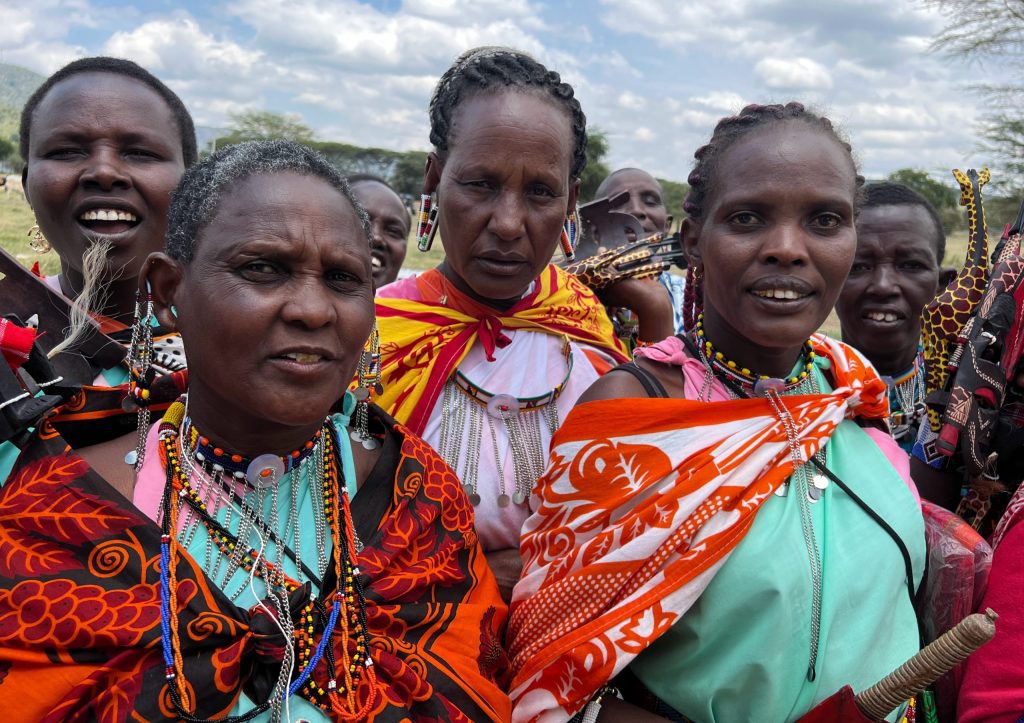
Table of Contents Cultural Encounters: Meeting the Maasai People The Maasai are probably one of the most iconic indigenous groups in East Africa, with their colorful attires, traditions, and connection with nature. No visit to Tanzania or Kenya would be complete without an experience with the rich Maasai culture, which gives great insights into their traditions, way of life, and history. Such cultural encounters not only become educative but also an opportunity to support and promote the preservation of their unique heritage. Who Are the Maasai People? The Maasai are semi-nomadic pastoralists who mainly live in Tanzania and Kenya. The lives of the Maasai people are based on livestock, which provides them with food, wealth, and social status. The culture of the Maasai people is deeply related to cattle, which they believe were given to them by their God, Enkai. This close relation to livestock is echoed in their traditions, ceremonies, and even their diet. Key Aspects of Maasai Culture 1. Traditional Attire Probably the most striking feature of the culture of the Maasai is their dress. The red shukas, or the cloth they traditionally wear, with their intricate beadwork, denote strength and the essence of their culture. Each pattern and color has a meaning, often related to social status, marital status, or community roles. 2. Ceremonies and Rituals The Maasai possess many life events that are marked by big ceremonies. Ranging from initiation to marriage and elderhood, these rites are deeply spiritual and communal. Indeed, few individuals are privileged in experiencing these rituals that give a glimpse of the spiritual existence of the Maasai. 3. Music and Dance Music and dance play an important part in the culture of the Maasai. Traditional dances, which consist of men performing in synchronized jumps, sometimes referred to as “adumu,” are truly captivating and help in the celebration of unity and joy within the community. 4. Unique Housing Style Maasai houses, or “enkangs,” bomas, are made of mud, sticks, and cow dung. Such buildings are very helpful and in harmony with the nomadic way of life of the Maasai. Visiting a boma will provide an understanding of how they adjust to the environment and maintain eco-friendly living. Cultural Visits among the Maasai Visitors who may feel inclined toward cultural visits with these people have a number of options: Village Visits: These are very common, where tourists visit the Maasai villages to learn about their daily life. You get to interact with the people, taste their local foods, and even join in their dances. Craft Workshops: Beadwork is part and parcel of Maasai culture. This beading session will not only support their craft but also help you learn about the symbolism in their designs. Safari with Maasai Guides: The intimacy with the land and the wildlife makes them the best guides for safaris a person can think of. A safari with a Maasai guide is culturally informative and an excellent way to explore the wildlife. Importance of Preserving Maasai Culture As modernization and external pressures encroach upon traditional ways of life, the Maasai people face challenges in preserving their culture. Supporting cultural tourism and purchasing authentic Maasai crafts can contribute to their economic stability and cultural preservation. Conclusion The meeting and exploration of Maasai culture create a deep and memorable impression in any trip to East Africa. From their colorful attire to their deep-rooted traditions, Maasai culture offers a window into one of the most fascinating indigenous communities in the world. By engaging with and respecting Maasai culture, travelers can foster cross-cultural understanding and contribute to the preservation of this extraordinary heritage. Whether it’s through village visits, workshops, or guided safaris, these encounters leave lasting impressions and help ensure the continuity of Maasai culture. Exploring Maasai culture includes learning about their unique traditions, vibrant ceremonies, and intricate beadwork. These cultural elements are integral to Maasai culture, reflecting their connection to the land, livestock, and community. Visitors who experience Maasai culture gain valuable insights into one of East Africa’s most iconic groups, ensuring that the beauty of Maasai culture continues to inspire future generations.
The Great Migration: Nature’s Spectacular Event
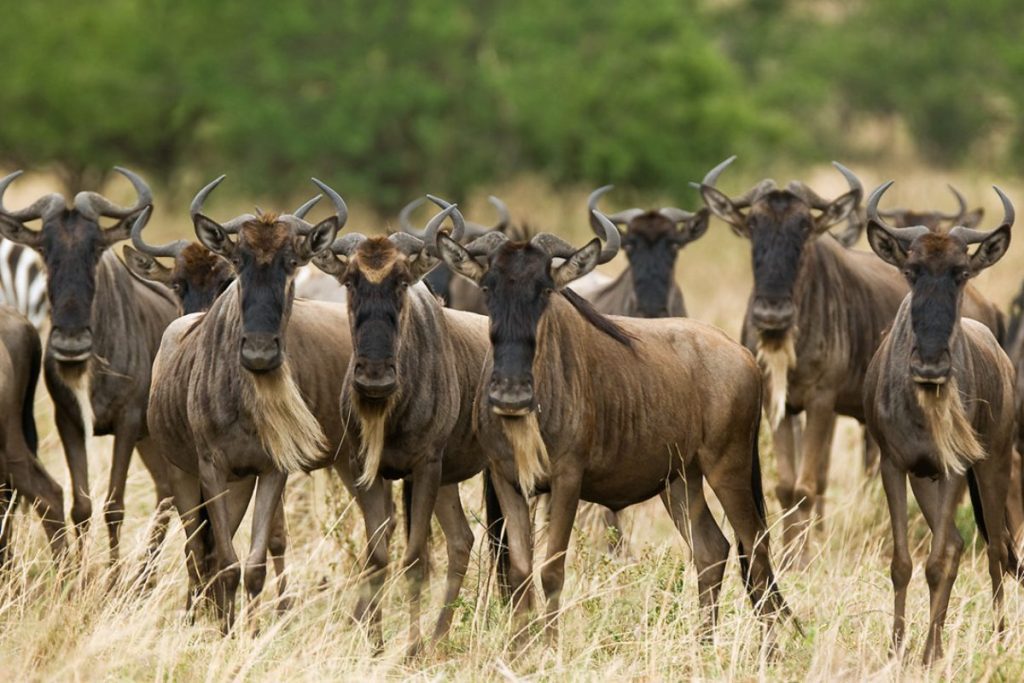
Table of Contents The Great Migration: Nature’s Spectacular Event The Great Migration is perhaps one of the most astounding spectacles that nature has ever presented. Millions of wildebeests, zebras, and gazelles make an annual long journey in huge masses across vast expanses of East Africa due to their food and water needs. This remarkable event, supported by an incredible journey of over 1,800 miles, takes place in the Serengeti-Mara ecosystem. Indeed, the Great Migration is considered to be the greatest safari experience. Wildlife enthusiasts travel from all corners of the globe to catch this phenomenal phenomenon. The Great Migration is the yearly migration of over 1.5 million wildebeests accompanied by hundreds of thousands of zebras and gazelles through the Serengeti and Masai Mara regions of Tanzania and Kenya. The migration is not a haphazard affair but a rational movement as it is orchestrated by the seasonality of fresh grazing areas and water. These animals migrate in a somewhat predictable route in search of greener pastures, hence making this one of the largest and most spectacular animal movements anywhere in the world. The Great Migration does happen at different times each year, but it’s pretty predictable and generally follows the pattern of seasonal rains. The migration begins in the southern Serengeti in January and migrates northward as the rains start, with the animals moving into Kenya’s Masai Mara by July or August. The peak of the migration, which includes the dramatic river crossings, usually occurs from July to September, making it an exciting and memorable experience for the visitor. The most exciting aspect of the Great Migration is the river crossing. The wildebeests and the other herbivores have to cross waters of Mara and Grumeti Rivers that are infested with crocodiles to the other side. These migrations are dangerous as many animals succumb to the predators or strong currents of rivers. Hundreds or thousands of wildebeests try to cross the rivers in one of the most dramatic scenes in nature, drawing flocks of onlookers who come to watch this incredible sight. The Great Migration is an essential factor in the maintenance of the ecological balance in the Serengeti-Mara ecosystem. These droppings from the animals fertilize the land, hence enriching the soil and stimulating new plants to grow. The cycle thus allows fresh grazing by the herds that are migrating at this period, as well as carnivores relying on this migration to hunt for food. Predators like lions, leopards, and cheetahs rely on the migration for a significant portion of their diet, making it a crucial event in the food chain. Witnessing the Great Migration on safari is a once-in-a-lifetime experience. Whether it is Serengeti or Masai Mara, it is quite common to see the herds streaming across the plains and, in some lucky cases, manage to catch the most dramatic of river crossings. Many safari lodges and camps offer special migration packages that include guided game drives taking you to the heart of the action. You can fly over the migrants in a hot air balloon safari to add more realism and excitement or simply get an above view of their migration in this regard. The herbivores are the real stars of the Great Migration, but never far from the herbivores are the predators, and lions, cheetahs, and hyenas closely trail them to capitalize on every possible chance of hunting an undefended animal. During the migration, there is always an abundance of food for the predators, though the patience and skill in hunting prove to be crucial. A kill made during the migration can feed a predator for days, and there is severe competition among carnivores for prey. The best time to witness the Great Migration is to book a safari during the peak months, from June to September. It is the period when herds are likely to be close to the Mara River, which means that one can get a great opportunity to witness dramatic river crossings. However, the migration is a year-round phenomenon, so visiting the Serengeti or Masai Mara at any time of the year will offer a chance to see the herds on the move, albeit with different landscapes and experiences. Some safari operators offer specialized migration tours that follow the route of the herds, ensuring that you’re in the right place at the right time. Despite its position as one of the most remarkable natural events on Earth, the Great Migration still faces several threats. Habitat loss, poaching, and climate change are all factors putting pressure on the sustainability of the migration. Tanzania and Kenya have both taken up conservation efforts in order to protect the migratory routes and maintain the health of the ecosystem. Many national parks and reserves have been set aside, including the Serengeti National Park and Maasai Mara Game Reserve, in an effort to try and keep the natural flow of the migration going and ensure that the species relying on it survive. With increasing pressure from human development and environmental change, the future of the Great Migration is unknown. However, continued efforts are there to minimize the effects of threats and allow it to keep streaming for years into the future. A visit to Serengeti and Masai Mara would further contribute toward making responsible tourism work and adding the contribution toward conservational efforts, in turn helping preserve the future of the Great Migration. It is one of the most incredible natural happenings occurring across the globe. The river crossings and dramatic interactions between the predators and prey against the backdrop of millions of wildebeests, zebras, and gazelles crossing the plains is a lifetime experience for any safari-goer. This is an unforgettable spectacle that any safari enthusiast will experience when he visits Tanzania’s Serengeti or Kenya’s Masai Mara to see this great event.
Exploring the Serengeti: What to Expect on Safari
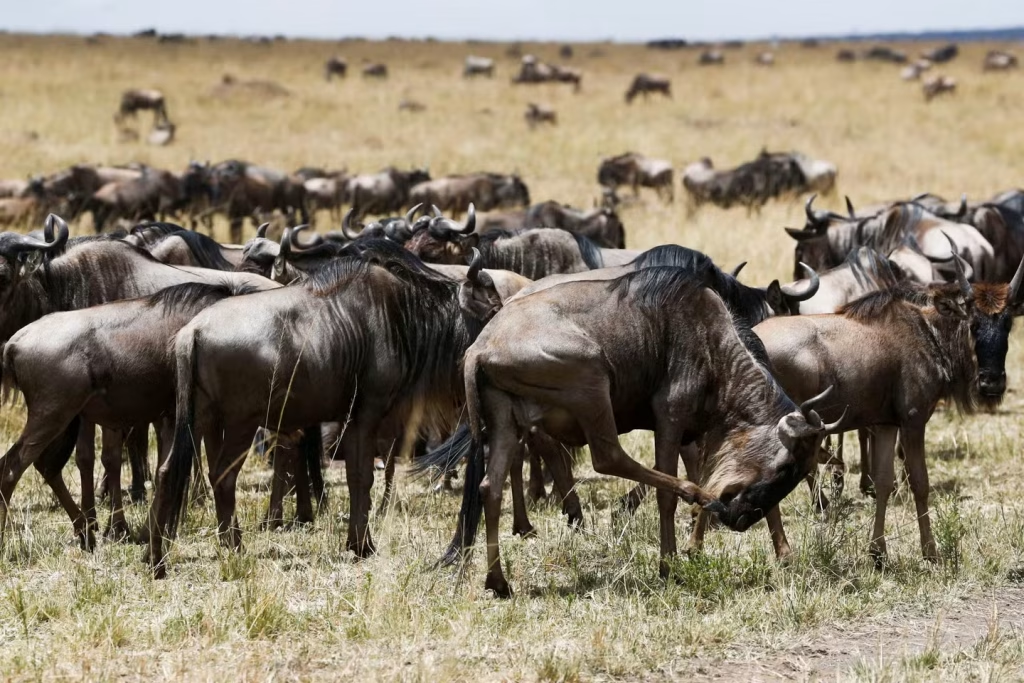
Table of Contents Exploring the Serengeti: What to Expect on Safari The Serengeti is among the most recognizable safari destinations in the world and a force not to be missed by any wildlife enthusiast. Located in northern Tanzania, this huge ecosystem has made a big deal with nature to be blessed with stunning biodiversity, let alone hosting the Great Migration of millions of wildebeests, zebras, and gazelles that migrate in search of greener pastures. Whether a first safari virgin or simply an overexposed and seasoned traveler, time spent exploring the Serengeti promises to be nothing short of unforgettable. Here’s a guide to what one can expect while on a Serengeti Safari. The Serengeti Safari is an opportunity to witness the raw beauty of nature, from vast plains to vibrant wildlife. Each game drive through the Serengeti offers a new chance to witness the majesty of Africa’s wilderness. For those seeking an unforgettable adventure, the Serengeti Safari provides the perfect opportunity to experience the wonder of the Great Migration and the chance to see the Big Five in their natural habitat. The Great Migration is undisputedly the most popular thing for which the Serengeti is known. Every year, approximately 1.5 million wildebeests, accompanied by hundreds of thousands of zebras and gazelles, move across the plains of the Serengeti and the Masai Mara in Kenya. This is a lifetime experience that few get to witness. Timing-wise, it’s all about the rains, but most people consider June to October to be the best months when the herds reach the Mara River, the scene of the dramatic river crossings. During your safari in the Serengeti, game drives will remain the golden gateway to the richness of its wildlife. These drives enable you to see the Big Five of Africa: lions, elephants, buffaloes, leopards, and rhinoceroses. The Serengeti is known for its predator-prey interactions, a factor that makes it very easy to spot lions lounging under the shade or cheetahs hunting for food. A game drive will take you deep into the heart of the park, where you will encounter not only large mammals but also a wide array of bird species, reptiles, and smaller creatures. Perhaps the most striking feature of the Serengeti is its varied landscapes. From expansive, open plains to dense woodlands and riverine forests, the Serengeti has it all in its different terrains, each with its own share of flora and fauna species. Whether you are in awe of the golden savannah grasslands or exploring the dense acacia forests, the scenery will keep you entranced throughout your journey. For a really different perspective on the Serengeti, consider going on a hot air balloon safari. Drifting above the plain at dawn offers a bird’s-eye view of the wildlife and landscape below. This is a very quiet, awe-inspiring way to see the Serengeti from a totally different perspective. Later in the day, you will have a champagne breakfast in the middle of the park—a very memorable experience. While the Serengeti is a haven for wildlife, it’s also a place rich in culture. The Maasai people, who live on the edges of the Serengeti, have a deep connection to the land and its animals. Many safari tours offer the opportunity to visit a Maasai village and learn about their traditional way of life. You can expect to see the vibrant clothing and jewelry of the Maasai, hear their stories, and gain insight into their cultural practices. Although daytime game drives are the highlight of most safaris, a night safari in the Serengeti offers a completely different experience. As the sun sets, the park comes alive with nocturnal creatures. You might just see hyenas hunting, leopards across the savannah, or maybe an extremely rare African wild dog. Night safaris in the Serengeti are a great way to see some of the park’s more elusive animals and enjoy a completely new perspective of this incredible ecosystem. The Serengeti has a range of accommodation options, from luxury lodges to mobile tented camps, catering for virtually all budgets. Most lodges are sited to maximize game viewing possibility, while some have private viewing decks or pools. The chances of staying in a lodge or camp are those that place you right in the sights and sounds of the wilderness; you might even enjoy a sundowner while watching game pass by. It has a varied landscape, with various methods of protection. The Serengeti National Park is a UNESCO World Heritage site, and its wildlife and habitat are under active conservation. Many of the lodges and safari operators around the area do much to promote responsible tourism policies whereby they will not harm the environment or upset the animals in any way. However, tourists visiting Serengeti can still play their role for conservation by booking eco-friendly accommodations and by following the wildlife rules on safari. Packing appropriately is most important when one prepares for the Serengeti safari. Clothing should be lightweight, in neutral colors: a good pair of binoculars, a camera with a long lens, sunscreen, insect repellent, hat, sunglasses, and light jacket for cooler mornings/nights. A wide-brimmed hat and heavy shoes are absolute necessities if the tourist will go on a walking safari. One can visit the Serengeti all over the year, but it depends on what you want to see at what time. If you want to catch the Great Migration, then plan a trip between June to October. Those who cannot stand crowds around them would love going in the rainy season, from November to March, when the grass is green, and there’s nobody but animals in the park. Conclusion A journey into the Serengeti Safari is a trip one will never forget, filled with breathtaking views of the big five, stunning landscapes, and immense cultural insight. Be it tracking the Great Migration or a laid-back game drive, the Serengeti Safari has memories to last a lifetime. The Serengeti Safari offers more than just a wildlife experience; it gives you the chance to witness nature in its
Climbing Mount Kilimanjaro: A Complete Guide
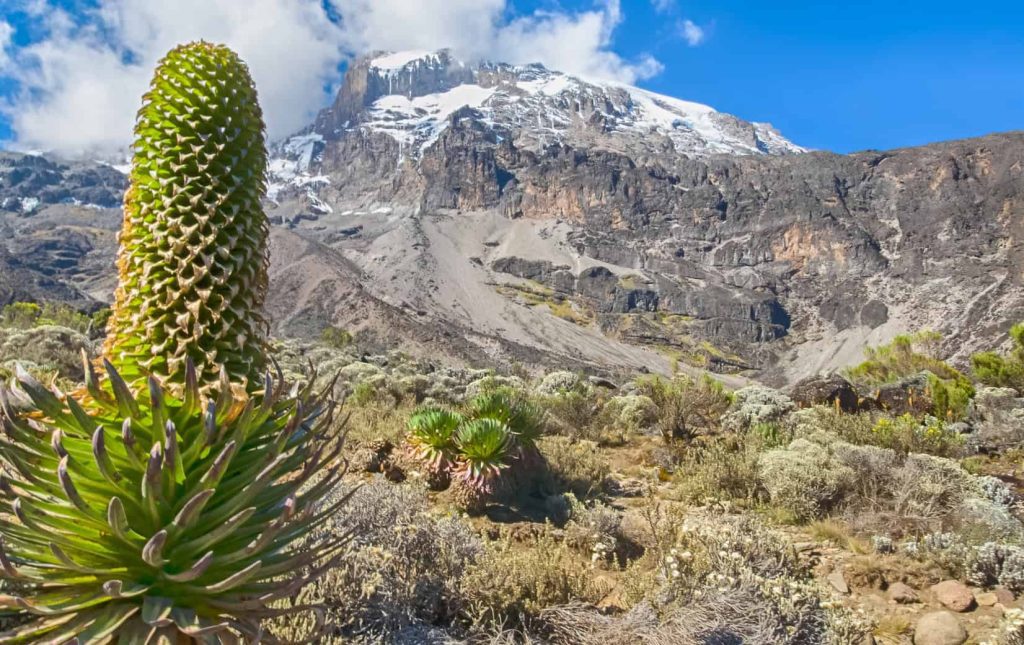
Table of Contents Climbing Mount Kilimanjaro: A Complete Guide Mount Kilimanjaro stands at an altitude of 5,895 meters (19,341 feet) above sea level and is the highest peak in Africa. Climbing Mount Kilimanjaro is an adventure of a lifetime that offers stunning scenery, varied topography, and the opportunity to conquer one of the most famous summits around the world. This comprehensive guide will highlight all that you should know to make your climb both successful and memorable. Climbing Mount Kilimanjaro is not just a climb but a journey through distinct ecological zones: from lush rainforest to alpine desert and glacial peaks. Because the climb does not require technical skills, it’s an extremely popular destination for trekkers around the world. A number of routes are available for climbing Mount Kilimanjaro, each with its own challenges and experiences: The best route for climbing Mount Kilimanjaro will depend on one’s level of fitness, budget, and the experience one wants to get. 1. Physical Training Climbing Mount Kilimanjaro requires good physical preparation. Cardiovascular fitness, strength training, and endurance are very important. Go for long hikes carrying a weighted backpack to simulate the real conditions. 2. Packing Essentials The proper gear is very important in climbing Mount Kilimanjaro. Essentials include: 3. Acclimatization Altitude sickness is common during climbing Mount Kilimanjaro. To lower the risk: Costs for climbing Mount Kilimanjaro vary with the route and tour operator but can range anywhere from $1,500 to $4,000. Typically, this will include park permits, guides, porters, and camping equipment. Always do a climb with a good operator for a safe and responsible experience. The best times of year for climbing Mount Kilimanjaro are during the dry seasons: Avoid climbing in rainy seasons, from April to May and November to December, because it might be slippery and visibility will be poor. Even as climbing Mount Kilimanjaro is manageable for most people, it involves some challenges such as: Climbing Mount Kilimanjaro is the ultimate lifetime adventure that perfectly balances great challenges with worthy rewards. With good preparation and a winning attitude, combined with experienced guides, one can conquer the highest peak in Africa. Now is the time to start planning your journey to the top and creating lifetime memories.
Top 10 Must-Visit Destinations in Tanzania
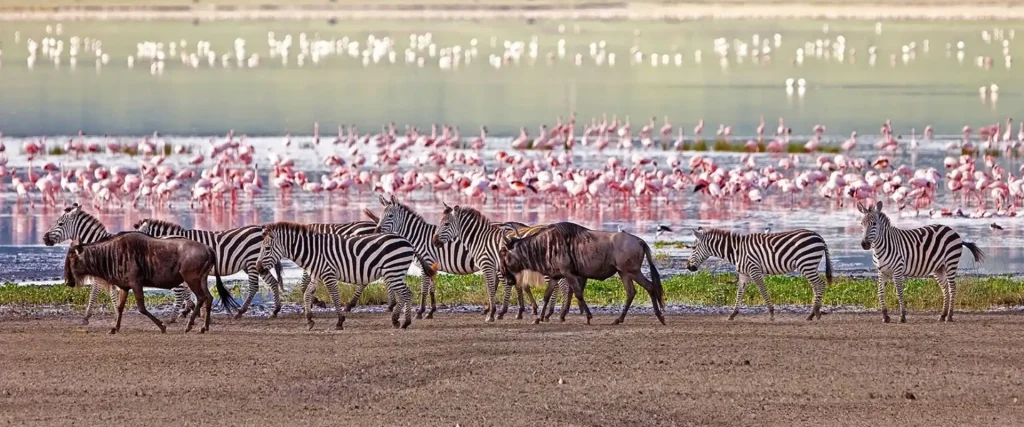
Table of Contents Top 10 Must-Visit Destinations in Tanzania Tanzania is a land of breathtaking natural beauty, rich cultural heritage, and unparalleled wildlife. Whether you’re captivated by its vast savannahs, pristine beaches, or towering peaks, Tanzania offers an unforgettable experience for every type of traveler. Let’s explore the top 10 Tanzania safari destinations you cannot miss on your journey. 1. Serengeti National Park The Serengeti is the crown jewel of Tanzania safari destinations and home to the world-famous Great Migration of wildebeests and zebras. This UNESCO World Heritage Site features sprawling grasslands teeming with wildlife, including lions, cheetahs, elephants, and giraffes. It’s the perfect destination to experience an authentic African safari. Often referred to as the “Eighth Wonder of the World,” the Ngorongoro Crater is a volcanic caldera and an unmissable Tanzania safari destination. This natural wonder hosts an incredible concentration of wildlife, including the Big Five, hyenas, and an array of bird species. Its scenic beauty and biodiversity make it one of Tanzania’s most iconic attractions. While not a traditional safari destination, Mount Kilimanjaro attracts adventurers and climbers from across the globe. Towering as Africa’s highest peak, it offers dramatic landscapes, from lush forests to glacial peaks. Climbing Kilimanjaro is a life-changing experience that complements any Tanzania safari itinerary. Zanzibar is a tropical paradise that seamlessly combines relaxation and culture. Known as the “Spice Island,” it’s the ideal complement to Tanzania safari destinations. White sandy beaches, turquoise waters, and a rich historical legacy make Zanzibar the perfect place to unwind after a thrilling safari. Tarangire is one of Tanzania’s hidden gems, offering a quieter but equally rewarding safari experience. Known for its giant baobab trees and large elephant herds, this park provides a serene escape for wildlife lovers. It’s an underrated yet must-visit Tanzania safari destination. Lake Manyara is renowned for its tree-climbing lions and vibrant flamingo population. This small but diverse park offers a mix of forests, grasslands, and soda lakes. It’s one of the most unique Tanzania safari destinations, perfect for birdwatching and game drives. Ruaha is Tanzania’s largest national park and one of its least-explored treasures. Its remote location offers visitors a more intimate wildlife experience, with large lion prides, leopards, and rare wild dogs. For adventurers seeking solitude and abundant wildlife, Ruaha is the ultimate Tanzania safari destination. Now part of Nyerere National Park, Selous is one of the largest protected areas in Africa. This untouched wilderness is perfect for river safaris, walking safaris, and exceptional wildlife encounters. It’s a pristine Tanzania safari destination that showcases the raw beauty of the African bush. Mafia Island offers a unique perspective among Tanzania safari destinations, focusing on marine life rather than terrestrial wildlife. It’s a snorkeling and diving haven, featuring coral reefs, whale sharks, and serene beaches. Perfect for water enthusiasts, it adds a fresh dimension to any Tanzanian adventure. As Africa’s largest lake, Lake Victoria combines cultural and natural experiences. It’s a fantastic destination for birdwatching, fishing, and engaging with local communities. This lesser-known Tanzania safari destination offers a peaceful retreat with plenty of activities. Tanzania’s diverse geography—from the Great Rift Valley to its pristine coastline—makes it an unmatched safari destination. Each region has its unique charm, from the iconic Serengeti to the tranquil waters of Zanzibar. Every moment spent exploring Tanzania feels like stepping into a dream. If you’re seeking an unforgettable adventure, Tanzania safari destinations are the ultimate choice. With its iconic wildlife parks, idyllic islands, and cultural richness, the country offers something for every type of traveler. From the Serengeti to Zanzibar, Tanzania safari destinations provide a perfect blend of breathtaking landscapes and remarkable wildlife encounters. Whether you’re looking to witness the Great Migration or relax on pristine beaches, Tanzania safari destinations guarantee a trip like no other. Explore these incredible Tanzania safari destinations to create lifelong memories and discover why this magical land is a must-visit.